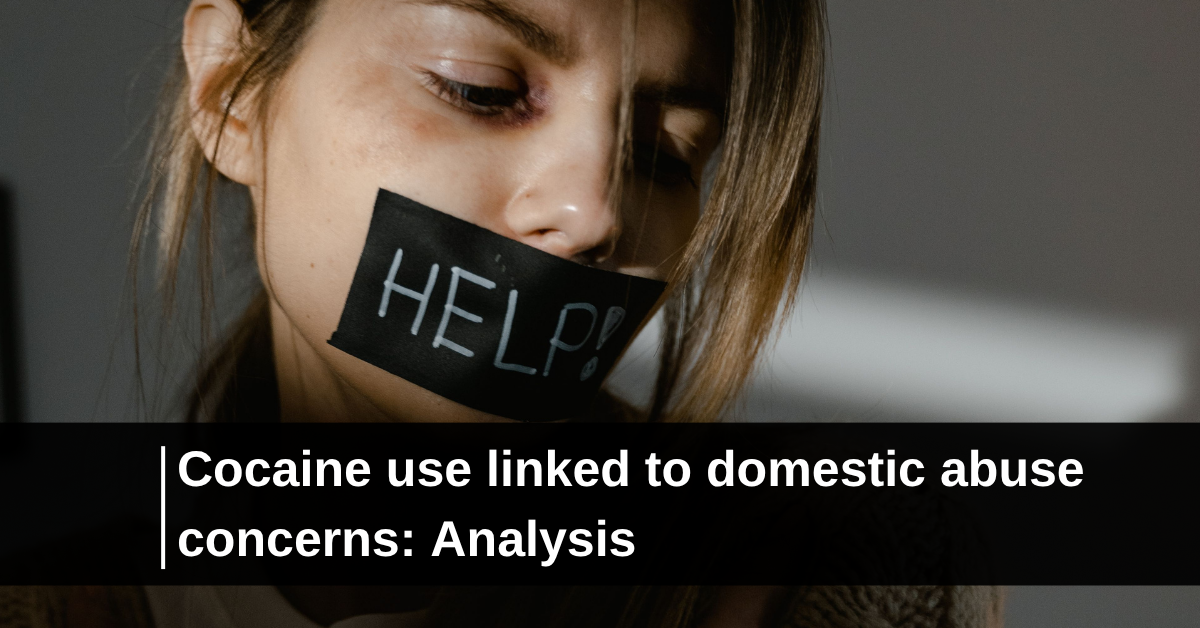
A recent analysis article published by The Guardian and authored by Robyn Vinter examined the relationship between cocaine use and domestic abuse in Britain. Moreover, a broader investigation by The Guardian also focused on concerns about cocaine use contributing to other forms of crime, including physical assaults, dangerous driving and violence at public events.
According to the article, UK Home Office data revealed that nearly 60% of police drug tests conducted on individuals arrested on suspicion of domestic abuse were positive for cocaine between July 2025 and June 2026. Although some tests were carried out following suspicions of drug use, the findings were consistent with a 2023 pilot study in which 59% of domestic abuse suspects tested positive for cocaine or opiates.
Cocaine use has been reported in several domestic murder cases in Britain, including the deaths of Victoria Thomas in Cardiff in August 2024 and Izzy Knight in Northamptonshire in June 2025, both of whom were killed by their husbands. Victoria Thomas’s husband was filmed using cocaine shortly before the murder, while Izzy Knight’s husband cited cocaine addiction and financial difficulties in a note, with both men subsequently receiving life sentences.
In her interview with The Guardian, Cat Chappell, a therapist specialising in domestic abuse who previously volunteered with the National Domestic Violence Helpline, explained that cocaine can increase confidence while also intensifying paranoia, noting that “so much of abuse is around paranoia.” She added that cocaine can exacerbate existing abusive behaviour, describing its effects as “taking what’s already there, making it like 10 times worse.” Chappell also highlighted that cocaine use can make it more difficult for victims to leave abusive relationships, as perpetrators may promise to seek treatment for their addiction, offering victims hope that their behaviour will change.
Moreover, Nik Peasgood, the chief executive of Leeds Women’s Aid, added that cocaine can have an effect on the levels of violence perpetrated by abusers, and that more research is needed to help understand the relationship between cocaine, domestic abuse and mental health. “If they’re already abusive and the relationship’s abusive, [cocaine] might lower their inhibitions, it might make the frequency worse, it might make the severity worse, it might mean that they can’t control how they normally control the relationship and the situation. But it doesn’t make somebody abusive or violent if they’re not already. It’s not an excuse for that violence.”