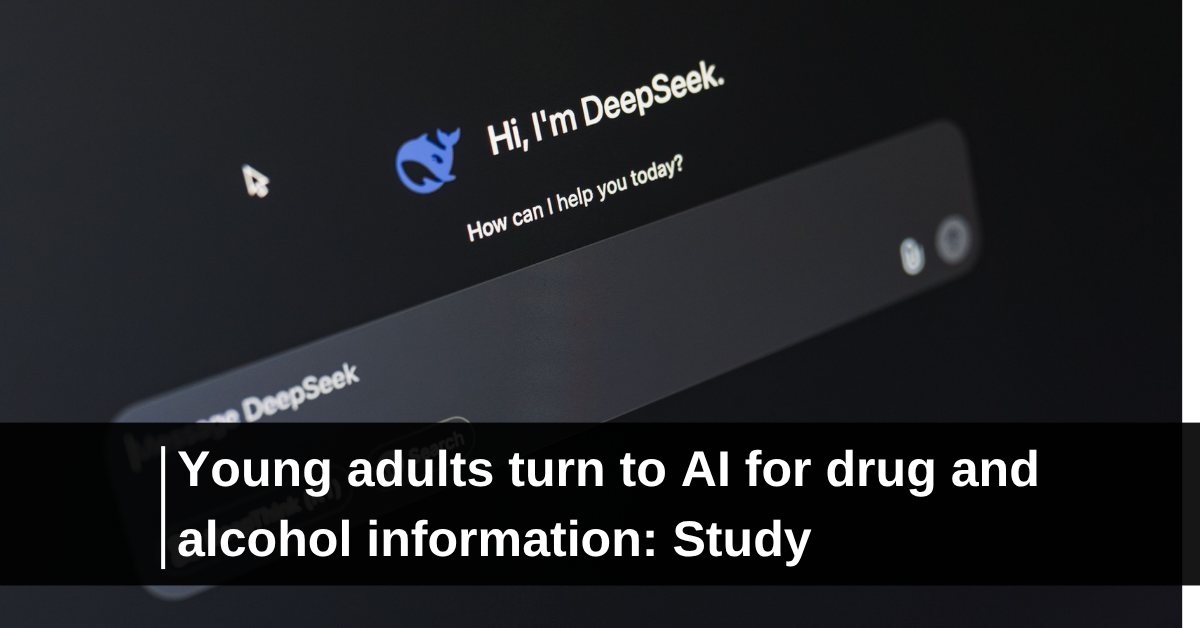
According to the results of a new study, which was conducted in April 2026, 32% of surveyed U.S. adults aged 18 to 29 years had used AI tools including ChatGPT, Google Gemini and Meta AI for substance-related information. The study, published in JMIR Formative Research, also determined that among these individuals, nearly half reported using AI for this purpose at least once a month, including 12% of participants who used it weekly and 4% daily or nearly daily.
The study was carried out by researchers affiliated with Rutgers University’s Center for Pharmacoepidemiology and School of Public Health. “Using these tools can lead to misinformed or otherwise risky substance-use behaviour among young people, who are the age group most affected by adverse effects of substance use,” said Mireia Triguero Roura, a postdoctoral researcher at Rutgers University and lead author of the study, in a press release.
In addition, of the surveyed individuals who reported using AI for substance-related queries, approximately 93% also reported using Google search for the same broad purpose. According to the study’s authors, this suggests that chatbots were used to supplement rather than necessarily replace established online search tools.
The results of the online survey also demonstrated that learning about the risks and consequences of substance use was the most common reason for consulting AI chatbots, cited by nearly 93% of respondents who had used AI for substance-related information. Furthermore, approximately half of these respondents used AI to seek information about specific substances, including dosage, while 35% turned to chatbots for information about substance use disorders, including addiction.
The findings also showed that young adults generally viewed AI as helpful, reliable and trustworthy, with those seeking substance-related information assigning it an average trustworthiness score of 3.66 out of five, compared with 3.51 for general use. The study also identified demographic differences, finding that Black respondents had 2.52 times the adjusted odds of using AI for substance-related information compared with white respondents, while men had approximately twice the adjusted odds compared with women.
The researchers emphasized the need for further studies to evaluate the accuracy of AI-generated responses, explore the factors contributing to demographic differences in chatbot use, and examine how this information may influence users’ decisions and behaviours. “The observed disparities in who chooses to use AI for drug-related inquiries could reflect differences in healthcare access, stigma, trust, and health information-seeking behaviors,” added Triguero Roura.