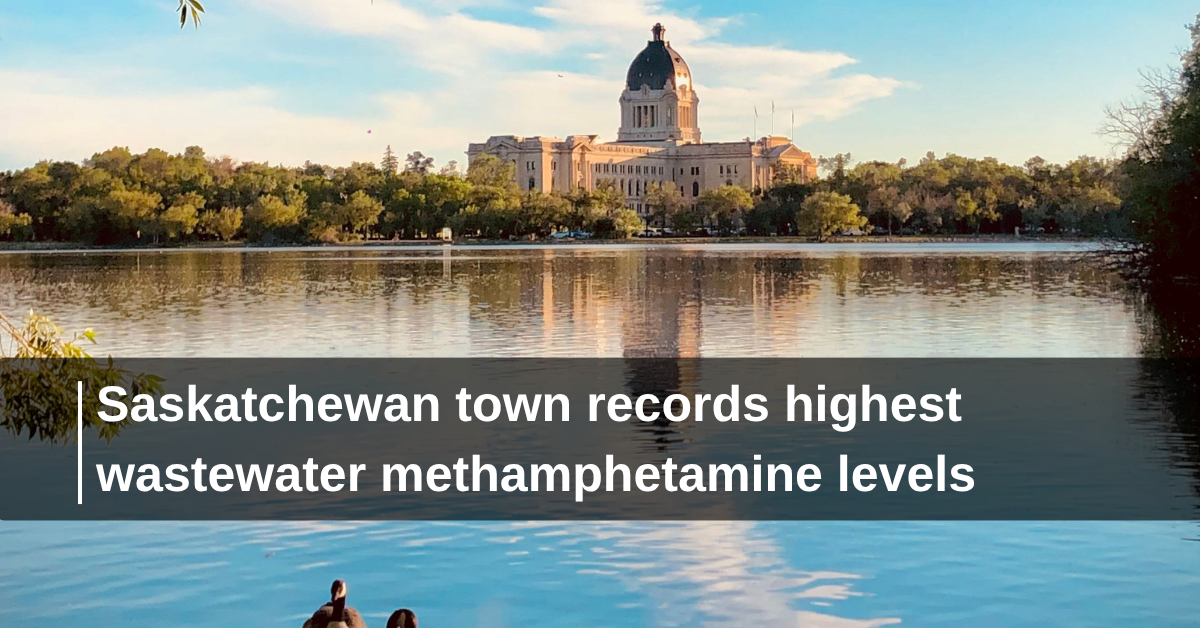
According to Statistics Canada, the Saskatchewan City of Prince Albert had more traces of methamphetamines and cocaine in its wastewater per capita between January 2024 and March 2026 compared to any other Canadian city, followed by Saskatoon and Moncton.
“Measured methamphetamine levels were among the highest in cities in the Prairie provinces,” Statistics Canada stated on its website. “Prince Albert had the highest levels and the greatest fluctuations in both methamphetamine and cocaine (measured by its metabolite benzoylecgonine) over the collection period.”
According to the Canadian Wastewater Survey, methamphetamine levels in Prince Albert’s wastewater ranged from just over 1,000 to just over 2,000 milligrams per day per 1,000 residents during the study. Saskatoon and Moncton had the next highest methamphetamine levels of all cities monitored,” states the website. “The relatively elevated levels in Moncton are consistent with data indicating that methamphetamine was involved in nearly two-thirds (63 per cent) of stimulant toxicity deaths in New Brunswick in 2024, the highest proportion among the Atlantic provinces.”
Prince Albert has previously recorded high wastewater methamphetamine levels, though differences in analytical methods limit comparisons across cities and years. Stimulants remain a major public health concern in the Prairies, despite signs of stabilizing use in cities such as Saskatoon. Canada’s rate of apparent stimulant toxicity deaths more than doubled between 2018 and 2024, with deaths occurring more frequently among males and people aged 30 to 39 years.
Statistics Canada collected incoming wastewater samples over seven consecutive days every other month and had them analysed at a Quebec toxicology laboratory. Results were combined with population estimates to calculate average daily drug loads per person, although the website warns that there may be uncertainties in sampling, biomarker analysis and population figures warrant caution when comparing cities. For example, Prince Albert has fewer than 40,000 residents but serves nearly 200,000 people as a regional hub for education, health care and retail.