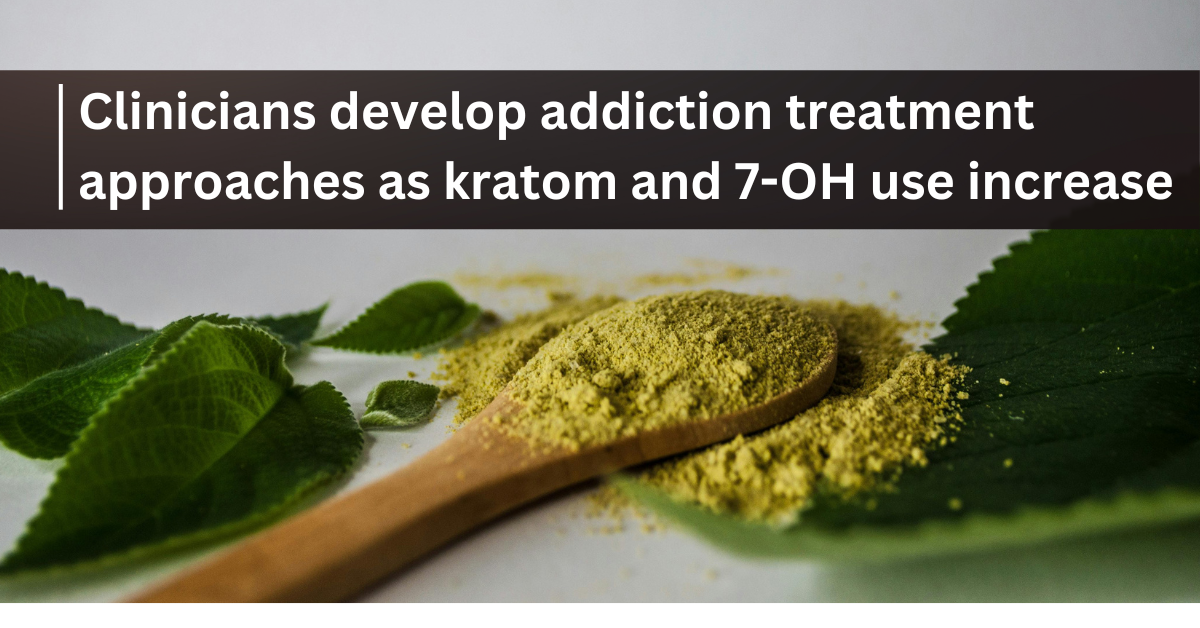
A recent analysis article published by WHYY and authored by Liz Tung discussed the growing use of kratom and its synthetic derivatives, particularly 7-OH and mitragynine pseudoindoxyl in the U.S. Although national prevalence estimates remain uncertain, clinicians have reported increasing patient use of kratom and 7-OH. For instance, a recent report from the Centers for Disease Control and Prevention found that kratom-related poison control calls were substantially higher in 2025 than in 2015, with experts suggesting that many cases may involve 7-OH.
The number of deaths attributable to 7-OH and mitragynine pseudoindoxyl remains unclear, partly because laboratory testing methods have not yet fully adapted to detect these substances. It has been reported that kratom and 7-OH can produce opioid-like effects, while the regulatory and treatment frameworks for these substances remain limited in the U.S. “We have grown to understand that these products work very similar to opioids in the body,” said Jonathan Paolini, a nurse practitioner and director of medical operations with Crossroads Treatment Centers, in his interview with WHYY. “And when they try to stop or cut down on using them, often withdrawal symptoms are very similar to opioid withdrawal symptoms.”
In addition, according to clinicians, toxicity associated with 7-OH and the more potent kratom derivative mitragynine pseudoindoxyl more closely resembles opioid overdose toxicity. “I would say, within the last six months, we’ve seen an even bigger increase with kratom and 7-OH patients coming in looking for help to stop using those substances,” Paolini said. “Kratom has been around for a long time, but I think it’s kind of gained popularity in recent years. And then 7-OH has been an even more recent development.”
Currently, treatment approaches are being developed in the U.S. for dependence on kratom, 7-OH, and related synthetic derivatives by first identifying the underlying reasons for use, such as pain management, opioid withdrawal, or mental health conditions. Moreover, these new management strategies are also similar to those used for opioid use disorder and may include supportive withdrawal care, methadone, buprenorphine, or naltrexone. Long-acting buprenorphine formulations such as Sublocade are also being explored as potential treatment options, although evidence specific to 7-OH remains limited.