Alcohol Awareness Week 2026
Alcohol is a familiar part of many celebrations, social gatherings, and everyday routines. Whether it’s raising a glass at a wedding, sharing drinks with friends after work, or enjoying a beer while watching the game, alcohol has become deeply woven into our culture.
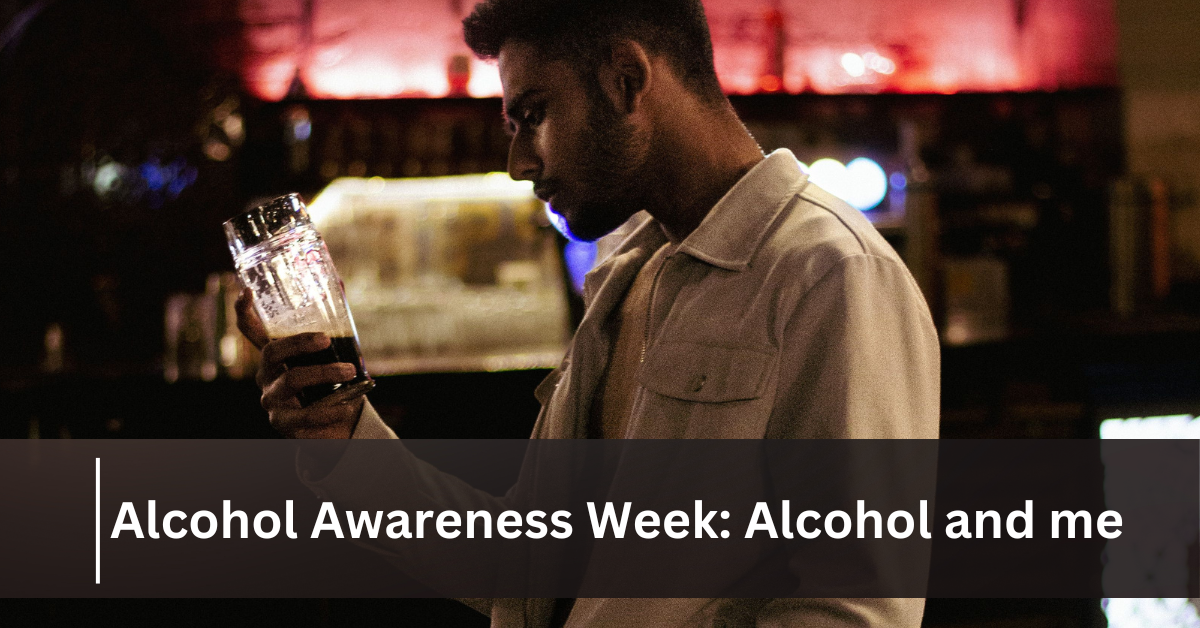
This Alcohol Awareness Week, the theme “Alcohol and Me” encourages us to pause and reflect on our personal relationship with alcohol—and how it affects our health, our choices, and the people around us.
Because alcohol is legal and socially accepted, it’s easy to forget that it is, in fact, a psychoactive drug. It affects the brain, changes our judgment, slows reaction time, and impacts nearly every organ in the body. Unlike many other substances, alcohol is often expected to be part of celebrations and social events. Choosing not to drink can sometimes lead to questions like, “Why aren’t you drinking?” or “Just have one.” While these comments may seem harmless, they highlight how much social pressure can influence our decisions. The reality is that no one should have to explain why they choose not to drink.
Many people associate alcohol-related harm with excessive drinking or alcohol dependence. But alcohol can have broader effects—even when consumed in moderation.
Research has linked alcohol use to an increased risk of several health conditions, including liver disease, heart disease, and multiple types of cancer. It can also interfere with sleep, weaken the immune system, and leave us feeling less rested and focused the next day.
Alcohol also affects mental well-being. While it may temporarily help someone relax, alcohol is a depressant that can contribute to anxiety, low mood, poor sleep, and increased stress once its immediate effects wear off. For some people, using alcohol to cope with stress can become a difficult cycle.
Alcohol and Workplace Safety
For employers and workers alike, understanding alcohol’s effects extends beyond personal health—it is also about safety.
Impairment doesn’t always end when the drinking stops. Fatigue, reduced concentration, slower reaction times, and impaired decision-making can continue into the following day, particularly after heavy drinking.
In safety-sensitive workplaces, these lingering effects can increase the risk of incidents and injuries. Creating a culture that values fitness for duty, education, and support helps protect both employees and the communities they serve.
Changing the Conversation
This year’s theme reminds us that everyone’s relationship with alcohol is different. Some people choose to drink occasionally, some abstain completely, and others may be re-evaluating how alcohol fits into their lives. There is no single story and as our understanding of alcohol continues to evolve, so can our attitudes.
Supporting someone who chooses not to drink should be as natural as offering them a non-alcoholic beverage. Celebrations don’t have to revolve around alcohol to be meaningful, and social connection doesn’t require everyone to have a drink in hand.
This Alcohol Awareness Week, let’s recognize alcohol for what it is: a legal and widely accepted drug that can have significant effects on our physical health, mental well-being, relationships, and workplace safety.
The more we understand the role alcohol plays in our own lives, the better equipped we are to make choices that support our health—and to create environments where everyone feels respected, regardless of what’s in their glass.
At DATAC, we believe that education is one of the most effective tools for reducing substance-related harm. By encouraging informed conversations about alcohol, we can help build healthier workplaces, stronger communities, and a culture where people feel empowered to make the choices that are right for them.