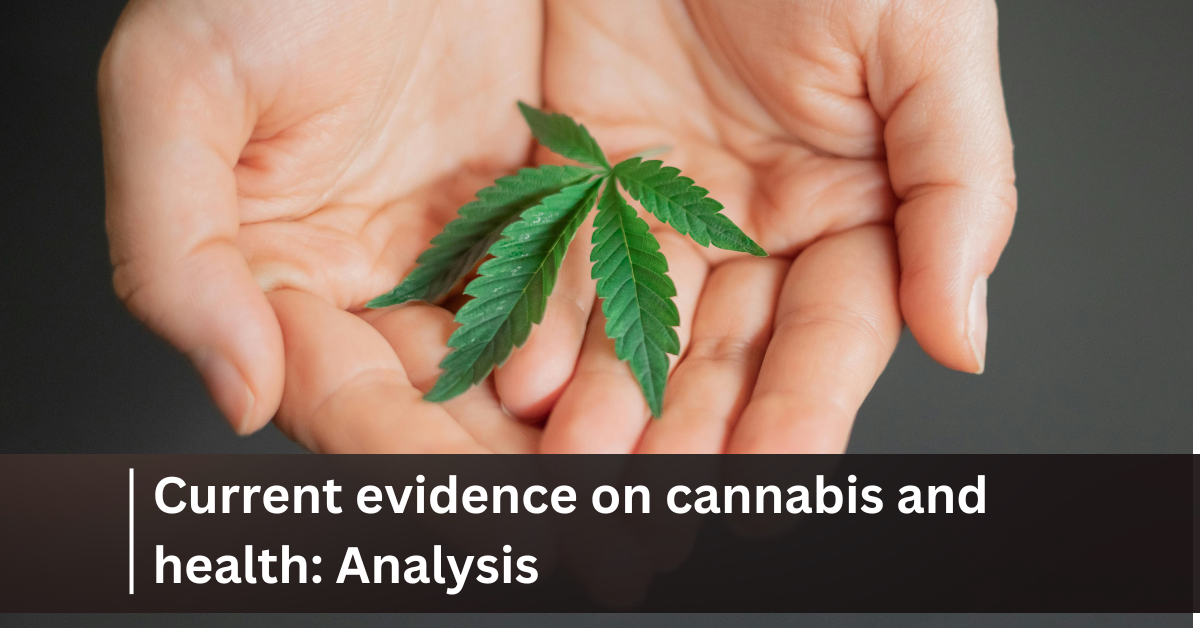
A recent New York Times analysis authored by Roni Caryn Rabin examined the current scientific and clinical understanding of cannabis use, particularly in the context of reduced medical cannabis restrictions in the U.S.
Earlier in April, the White House announced it would reclassify certain medical cannabis products from Schedule I to Schedule III under U.S. federal law. According to the analysis article, currently there is a limited number of cannabis-related medications that have received FDA approval, primarily for chemotherapy-induced nausea, AIDS-related wasting syndrome, and certain seizure disorders.
According to the analysis article, current evidence for medical cannabis is strongest in pain management, with many patients reporting improved coping and quality of life despite only modest reductions in pain intensity. However, organizations such as the International Association for the Study of Pain do not recommend cannabis as a first-line treatment because of limited evidence and the potential for adverse effects including dizziness, drowsiness, and nausea.
Furthermore, the article also notes that although medical cannabis has been authorized in many U.S. states for a broad range of conditions, evidence supporting its effectiveness for disorders such as PTSD, Parkinson’s disease, glaucoma, ALS, anxiety, and insomnia remains limited. Organizations including the American Psychiatric Association and sleep medicine societies have cautioned against its use for psychiatric and sleep-related conditions because of insufficient evidence and potential mental health risks.
Modern cannabis products contain substantially higher THC concentrations than those available decades ago, with rising potency associated with an increased risk of cannabis use disorder and dependence. Evidence also suggests that individuals who begin using cannabis during adolescence, have underlying mental health conditions, or a family history of substance use disorders may be at greater risk of adverse psychiatric outcomes and mortality. “It’s more potent than you might realize,” wrote Rabin.
In addition, the article also discussed the importance of discussing cannabis use with healthcare providers, since it may interact with prescription medications and has been associated with increased risks of cardiovascular, psychiatric, and respiratory complications, as well as cannabinoid hyperemesis syndrome. Furthermore, variability in cannabis formulations and THC concentrations makes dosing difficult and limits the applicability of older clinical studies using lower-potency products.
Finally, pregnant and breastfeeding women are advised to avoid cannabis because of potential risks to fetal development and adverse birth outcomes. Adolescents may also be particularly vulnerable, as cannabis use during brain development has been associated with cognitive impairment, dependence, and an increased risk of psychosis.