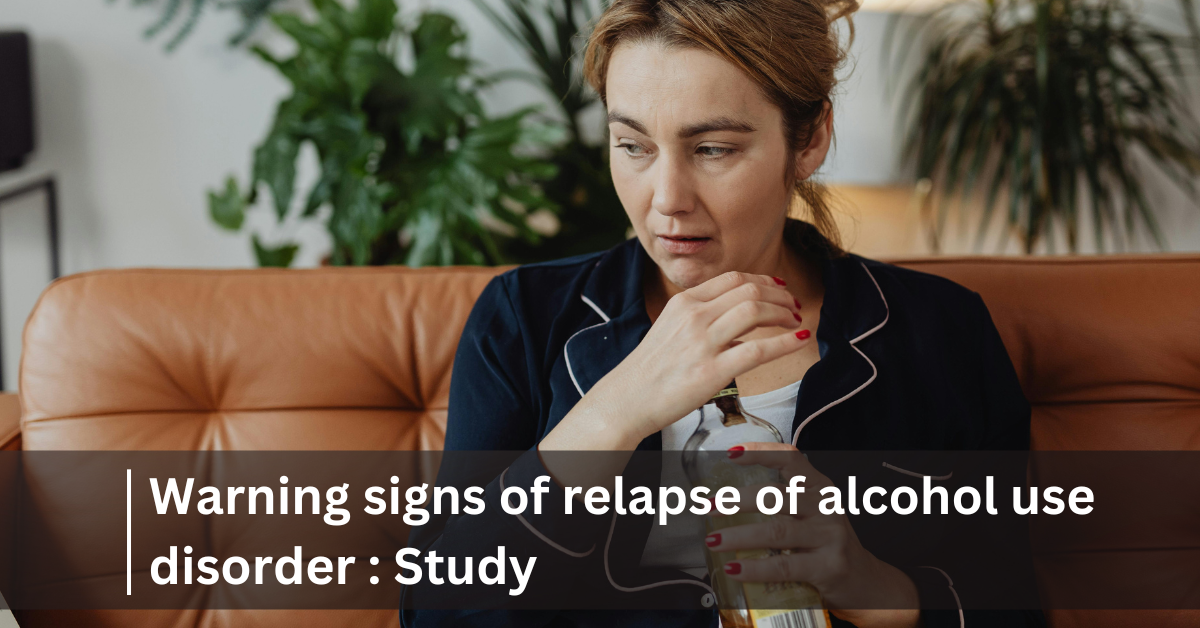
A recent article published by the Harvard Gazette and authored by Anna Lamb discussed the findings of a new study on warning signs of relapse in people with alcohol use disorder (AUD), especially those who have been sober for an extended period of time. The study, published in the journal Frontiers in Public Health and carried out by researchers from the Department of Psychiatry at Massachusetts General Hospital, the Recovery Research Institute, and Harvard Medical School in Boston.
The results of the study identified warning signs of AUD relapse across four domains: biological, psychological, social, and treatment-related factors. These included changes in sleep, appetite, pain, stress, isolation, exposure to high-risk environments, and disruptions in recovery support, such as stopping medication or counseling, with pain and recreational drug use emerging as particularly strong predictors.
In his interview with the Harvard Gazette, the study’s senior author, Dr. John Kelly, Professor of Psychiatry at Massachusetts General Hospital, explained that the motivation behind the study was to better understand long-term relapse, which remains poorly researched compared to short-term relapse. Dr. Kelly also explained that it is crucial to detect warning signs early, as relapse can lead to increased shame and more severe consequences, making recovery more difficult. “It can minimize the mortality rate and morbidity rate, as well as all the other aspects — the social ramifications and the negative ripple effects that occur in the families of people who relapse as well,” he added.
In addition, Dr. Kelly noted that some biological factors, including physical pain, were surprisingly strong predictors of relapse despite being relatively rare, and that recreational drug use, such as cannabis used as a coping strategy, was also linked to relapse. He also noted the importance of ongoing vigilance in recovery, since it was found that a common warning sign was when individuals began prioritizing other aspects of life over their recovery.