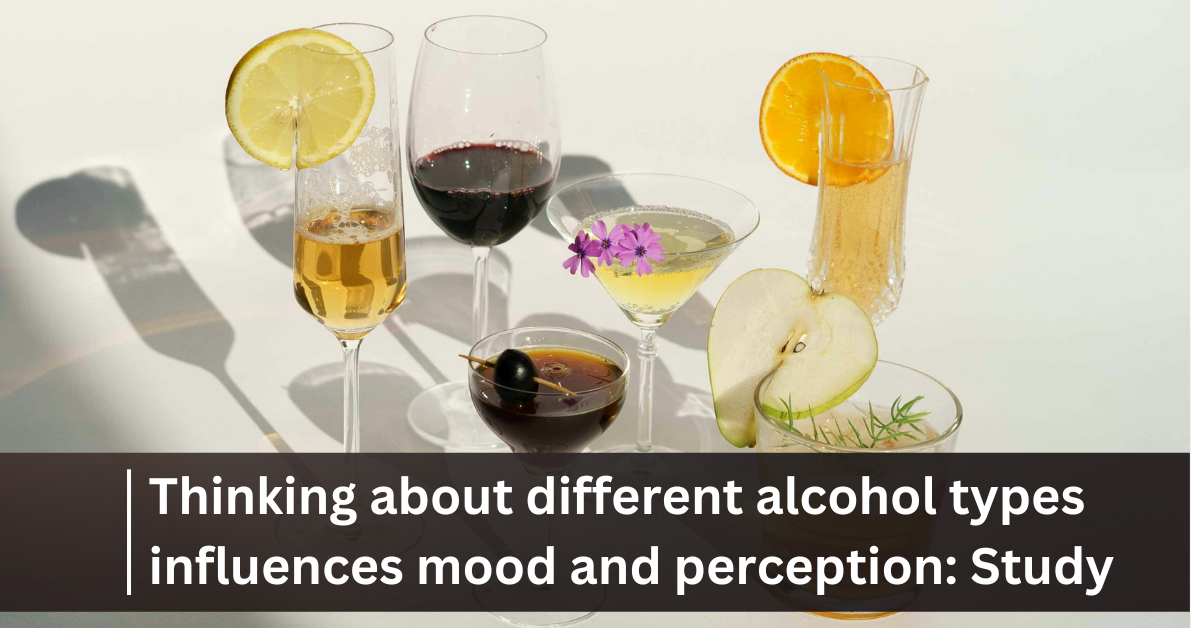
According to the results of new research, thinking about certain types of alcohol can change one’s mood and also trigger certain mindsets, especially among young consumers. In an article published by The Conversation, the study’s author, Logan Pant, Assistant Professor of Marketing at the University of Evansville, discussed his latest research.
The research study included 429 participants to evaluate the cultural themes and moods associated with different types of alcohol. “We conducted two preliminary studies to understand how people think about different types of alcohol,” explained Pant. “In the first study, participants answered open-ended questions, and in the second, they completed a word-association task. These studies helped us identify common cultural associations, which we call ‘learned associations,’ or ideas people develop through experience and cultural exposure.”
In addition, researchers developed questions to assess how people associate different types of alcohol with specific mindsets (e.g., sophistication, masculinity, or partying), and asked participants to rate these feelings when thinking about wine, whiskey, or tequila. In two experiments where no alcohol was consumed, distinct patterns were identified. Specifically, tequila was linked to fun and celebration, whiskey to strength and masculinity, and wine to elegance and sophistication. These results suggest that alcohol acts as a symbolic cue, with associated mindsets shaped by learned cultural associations rather than its physiological effects.
“Such learned associations have not been thoroughly studied – in particular, it’s unknown whether they can activate distinct drinking mindsets even without actual consumption,” wrote Pant. “One reason why this is important is that even though Gen Zers drink less alcohol than previous generations, they are still exposed to alcohol-related media and cultural cues. Understanding these psychological cues may help explain how alcohol-related social norms and expectations develop and influence drinking decisions.”
Moreover, according to Pant, understanding these links could help promote more responsible drinking and guide future research on reducing risky alcohol use. “Future research could examine how these associations form in different social contexts, how they vary across age groups or cultures, and how interventions might shift them to further reduce risky behaviors and encourage safer, more responsible alcohol consumption,” he said.