A new study from researchers at The Hebrew University of Jerusalem identified a specific “anti-reward” brain circuit that becomes hyperactive during cocaine withdrawal, contributing to emotional distress and relapse. The research, led by Prof. Yonatan M. Kupchik and PhD student Liran A. Levi, was published in the peer-reviewed journal Science Advances, and demonstrates that relapse may result from the attempt to escape the negative emotions of abstinence.
Previously, cocaine addiction was thought to involve a struggle between the lure of reward and the effort to resist it. While the dopamine surge from cocaine use reinforces its continued use, withdrawal brings the negative effects of intense anxiety, depression, and emotional distress. The new findings suggest that relapse is driven not only by the pursuit of pleasure, but also by the brain’s attempt to avoid pain.
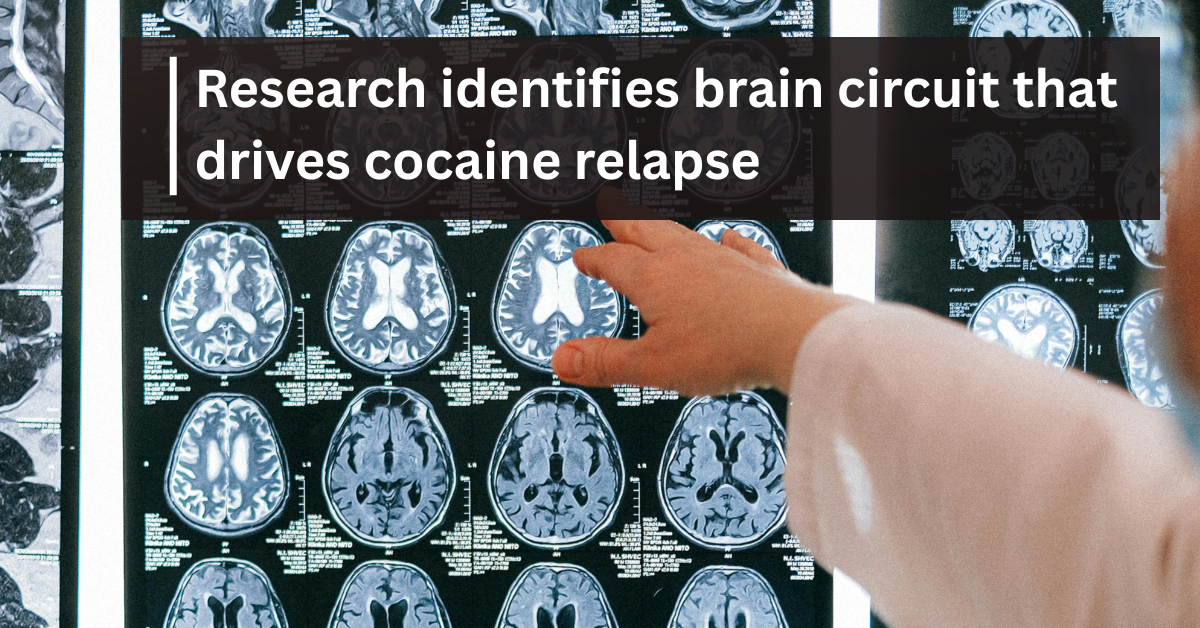
Moreover, the study also uncovered a specific “anti-reward” network deep within the brain that undergoes persistent changes throughout cocaine use, withdrawal, and re-exposure to the drug. This glutamatergic circuit, situated in a region called the ventral pallidum, is proving to be a crucial factor in addiction and a potential target for future therapeutic strategies.
“It’s a switch,” said Prof. Kupchik in his interview with News Medical. “This network tracks the emotional cost of abstinence. When it’s highly active, it can drive someone to seek out the drug again-just to escape the negative feelings.”
This new research also demonstrates that this brain circuit connects with other key centres of the brain involved in emotional regulation and reward processing. During withdrawal, these connections become reinforced, increasing sensitivity to negative emotional states. However, when the drug is used again, the system resets and temporarily eases the distress.
The findings also revealed that inhibiting the brain’s anti-reward circuit increases cocaine-seeking behaviour, suggesting that the discomfort caused by this circuit may act as a natural deterrent against overuse. According to the researchers, this insight can help to develop new addiction treatment strategies. Rather than solely focusing on suppressing the brain’s reward system, future therapies may be more effective by addressing the emotional pain of withdrawal, offering a new perspective on addiction as driven not only by the pursuit of pleasure, but also by the need to escape suffering.