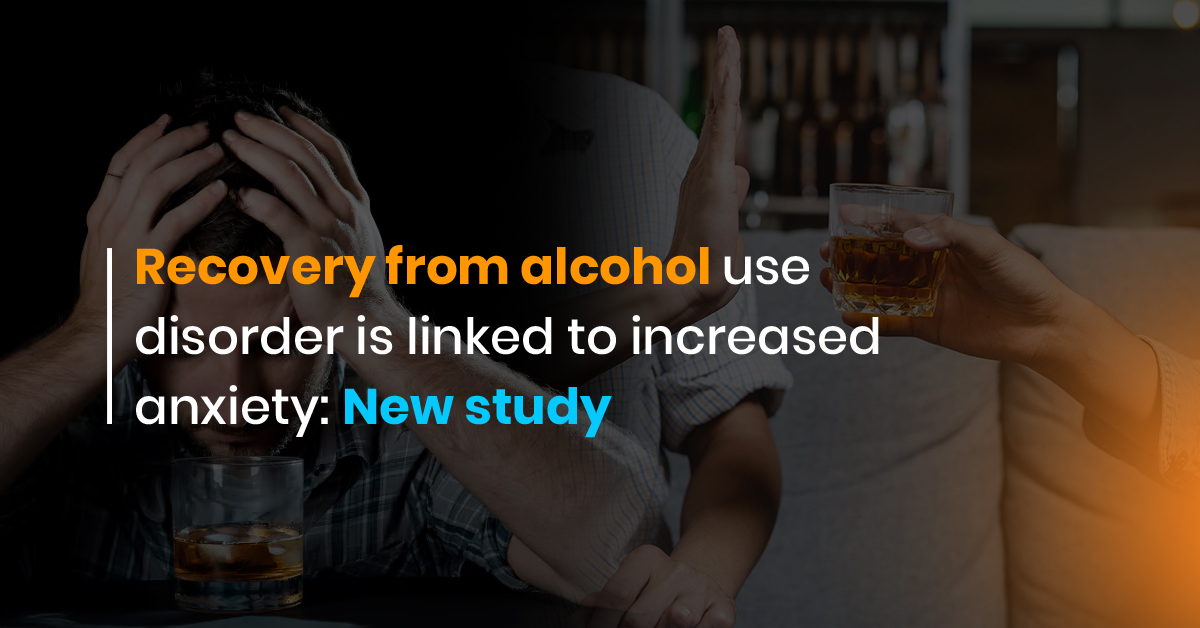
According to the results of a new study, quitting alcohol as part of recovery from alcohol use disorder can result in changes in connectivity in brain regions associated with increased anxiety. The research study, published in the peer-reviewed journal Alcohol: Clinical and Experimental Research, also showed that such brain changes in the early stages after stopping alcohol consumption can contribute to increased relapse rates.
The study involved obtaining functional magnetic resonance imaging (fMRI) data from research participants, individuals aged 21 to 40 years old, half of whom were diagnosed with alcohol use disorder and had stopped drinking for one to six months prior to the beginning of the study.
Specifically, the research examined the network of brain regions associated with anxiety responses, referred to as the bed nucleus of the stria terminalis (BNST). Moreover, the study results showed that both activation and functional connectivity of the BNST network can be significantly altered during early abstinence from alcohol. Moreover, the study also found that an individual’s sex and severity of their anxiety can play an important role in the brain’s response during early abstinence from alcohol use, with male and female brains responding differently.
The functional connectivity of the BNST network was weaker in women during early abstinence when faced with “unpredictable threat” cues, and stronger in men during “unpredictable neutral” cues. According to the researchers, the weaker connectivity of the BNST network in women might explain their higher rates of stress-induced relapse.
The results of this study provide some key insights into the neural mechanisms behind alcohol recovery, helping to explain why nearly half of people afflicted with alcohol use disorder relapse within the first year of quitting.
“Overall, these data extend prior research in animal models that show the BNST network is altered during early abstinence and contributes to increased anxiety during this period. This small study also supports longstanding data that chronic alcohol use affects men and women differently, and that these differences continue during abstinence,” concludes the study. “Taken together, anxiety severity and sex play a critical role in early abstinence from alcohol, emphasizing the need for a greater understanding of the neural mechanisms that occur during alcohol abstinence to improve treatment outcomes.”