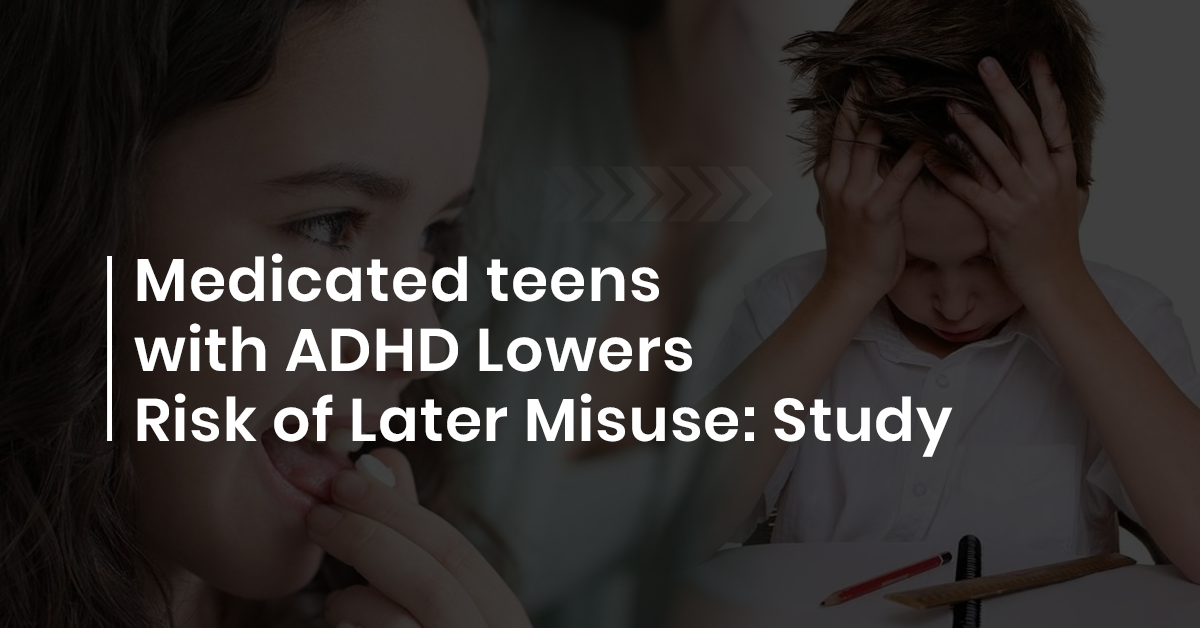
According to the results of a new study, adolescents who take prescription stimulants for treatment of their diagnosed ADHD face do not face an increased risk for prescription drug misuse (PDM) later in life.
The study, published in Psychiatry Services, led by a team including Dr. Timothy Wilens, Chief of Child and Adolescent Psychiatry, and Director of the Center for Addiction Medicine at the Massachusetts General Hospital, was part of a U.S. national longitudinal study. It included 11,066 participants, aged 17-18 years old, who completed questionnaires every two years until the age of 24. The questionnaires included questions regarding the number of times participants used a prescription drug (benzodiazepine, opioid, or stimulant) without a doctor’s order.
The research study examined the relationship between stimulant use and substance use in people with ADHD, while addressing the common misconception that treating children with stimulant medication for ADHD can lead to addiction later in life.
Moreover, the study results showed that young adults with ADHD who took prescription stimulants during their teen years are significantly less likely to misuse stimulants compared with their peers who did not receive stimulant therapy. Finally, the study findings revealed that the strongest predictor of prescription stimulant misuse in young adulthood is prescription drug misuse in adolescence.
“People with childhood ADHD are nearly twice as likely to develop a substance use disorder as are individuals who don’t have childhood ADHD,” 2 said Dr. Wilens in his interview with the ADDitude magazine. “However, the risk of substance abuse decreases substantially when patients are treated with stimulant medication – even though it is considered a controlled substance. ADHD patients treated with stimulants experience a 60% reduction in substance abuse disorders compared to those who were not treated.”
In addition, Dr. Wilens noted that previous research shows that the longer the child is treated for ADHD, the stronger the protective effect for later drug abuse, with a 10% reduction in risk for substance use disorders for every year of ADHD treatment.