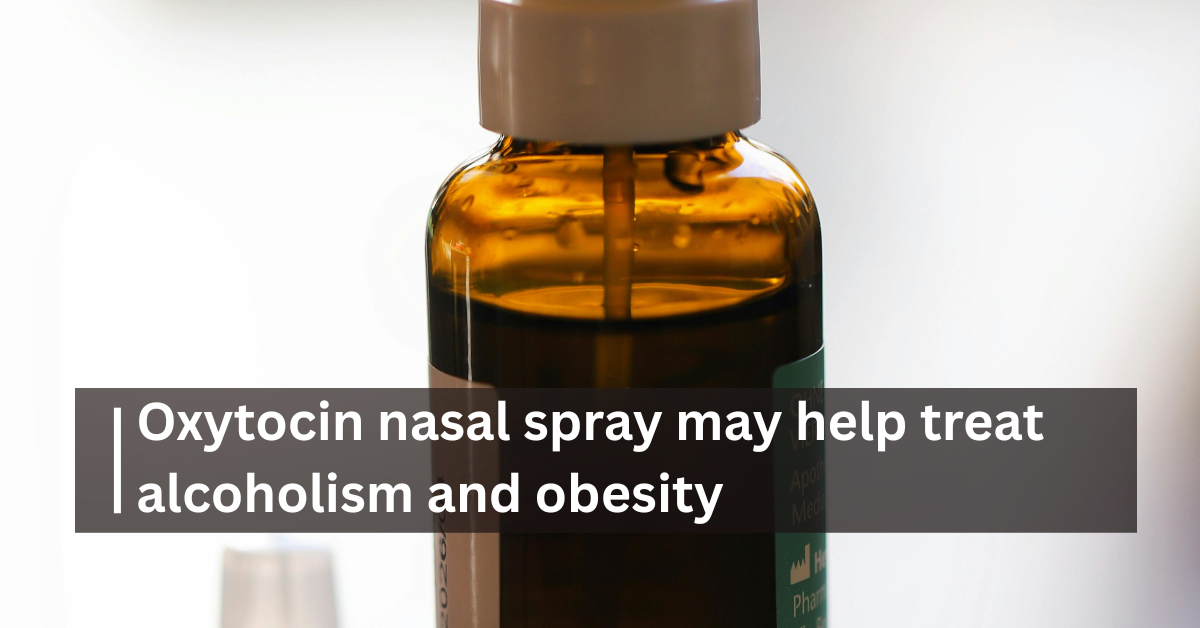
A recent article published by The Brighter Side and authored by Joseph Shavit examined the potential of using oxytocin nasal spray in treating alcohol use disorder and obesity by changing the way the brain responds to cravings and reward.
Oxytocin is a hormone primarily in the brain region called the hypothalamus and released by the posterior pituitary gland, which plays important functions in reproductive and social behaviours. Moreover, it can be administered as a nasal spray and has been studied for its potential therapeutic effects in treating addiction disorders, as well as various mental health conditions, such as anxiety and depression.
One study carried out in rats found that oxytocin can reduce alcohol drinking in animals that had developed alcohol dependence. The effect worked whether oxytocin was injected, given through the nose, or delivered to the brain. Moreover, it didn’t affect rats that weren’t dependent or change their interest in sweet drinks or movement. The researchers concluded that oxytocin works directly in the brain to reduce the drive to consume alcohol, particularly in animals already showing signs of alcohol use disorder.
Another study led by Dr. Elizabeth Lawson, a neuroendocrinologist at Massachusetts General Hospital and Harvard Medical School, has researched how oxytocin influences responses to food. In one study, her team showed images of high-calorie foods to ten overweight and obese men. After receiving oxytocin via nasal spray, the men showed significantly reduced activity in brain regions linked to food-related pleasure.
Currently, Dr. Lawson and her team are conducting a randomized, controlled trial, funded by the National Institutes of Health, to study the effects of oxytocin nasal spray in obese men and women over eight weeks. At the same time, behavioural tests have correlated with findings from brain scans: after using oxytocin, people show less interest in images of food, particularly high-calorie or unhealthy choices.
However, researchers have also made it clear that oxytocin isn’t a miracle cure for addiction. Most of the research studies have been small, with limited numbers of participants, and many focus on male participants. Therefore, more work is needed to confirm that the hormone works the same way in women and to better understand the long-term effects of repeated use of oxytocin treatment.