In her recent interview with CBC News, Dr. Sharon Koivu, an addiction medicine consultant with St. Thomas Elgin General Hospital, expressed concerns and disappointment at the Ontario government’s decision to close 10 supervised drug consumption sites across the province by March 31, 2025.
The plan, announced in August by Ontario Health Minister Sylvia Jones, prohibits supervised consumption sites from operating within 200 metres of school and daycare facilities. Five of the facilities to be closed are located in Toronto, while five others are in Ottawa, Kitchener, Thunder Bay, Hamilton and Guelph. The decision came following the completion of two reviews into supervised consumption sites commissioned by Queen’s Park after the death of a woman who was struck by a stray bullet near one such site in Toronto last year.
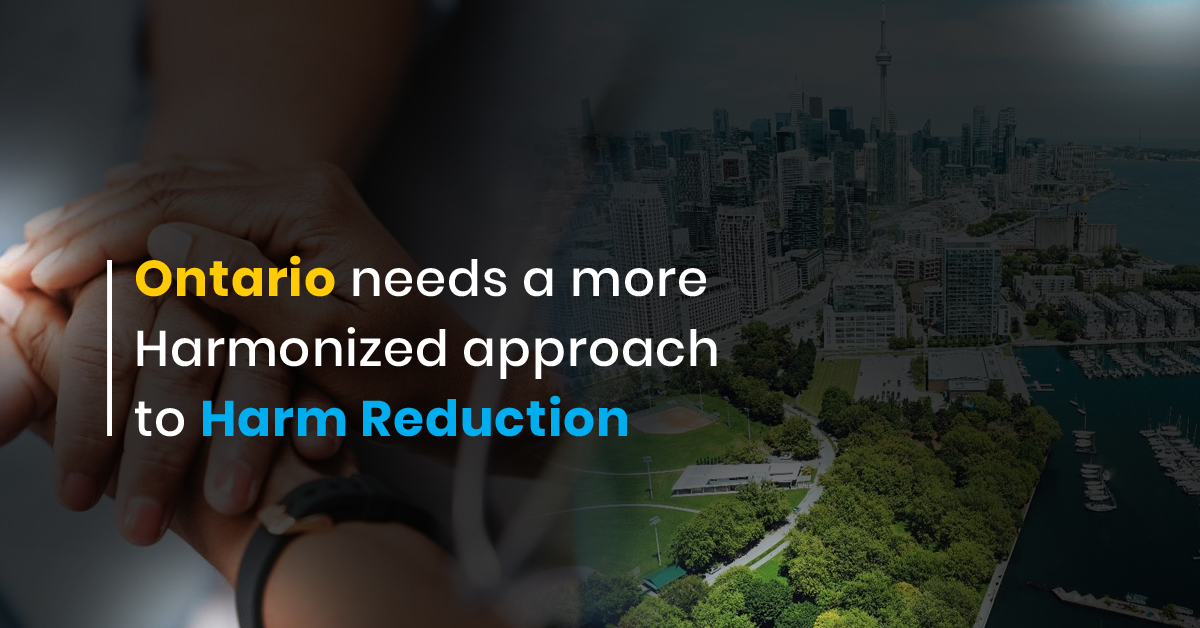
According to Dr. Koivu, support for supervised injection sites as a harm reduction measure has received too much attention from health advocates, while measures such as addiction treatment have received less attention. She added that the province requires a more holistic drug strategy in the long run. “Harm reduction is important, but it’s important [as] part of the four pillars of addiction treatment,” she said, referring to prevention, treatment, harm reduction, and enforcement.
She also noted that people running supervised injection sites have “lost that desire to help people transition into recovery,” suggesting that sites have the mandate to help with recovery, and highlighted two health and homelessness hubs in London, Ontario, as positive examples. “We’re far behind in the amount of hubs that had been initially planned in the city by this point in time,” added Dr. Koivu.
However, Gillian Kolla, a public health researcher and assistant professor in the faculty of medicine at Memorial University, argued that safe consumption sites act as a “linchpin” in the addiction treatment system, where drug users can access all kinds of health and social services, both on-site or through referrals. “People who are struggling with their substance use and wish to engage in treatment, they go toward the supervised consumption sites in their neighbourhood because they know that they have compassionate care there,” said Kolla.
Furthermore, Kolla added that the lack of treatment facilities in the province is one of the reasons why supervised consumption sites are important hubs. “People will talk about being left on hold for hours, being put on months-long waitlists [for treatment],” said Kolla. “These [supervised consumption] sites have been doing so much work, trying to get people toward effective treatment that just is not there.”
Kolla also cited concerns regarding the impact of closures on already strained emergency rooms and first responders if individuals who overdose need to go to hospitals instead. Under the new regulations, Ontario’s Homelessness and Addiction Recovery Treatment (HART) Hubs will also be prohibited from handing out sterile injection equipment such as needles. “This is a major concern in terms of increasing rates of HIV and other blood borne infections,” said Kolla. “Distribution of sterile injection equipment has been a cornerstone of our public health response to drug use for over 30 years now.”