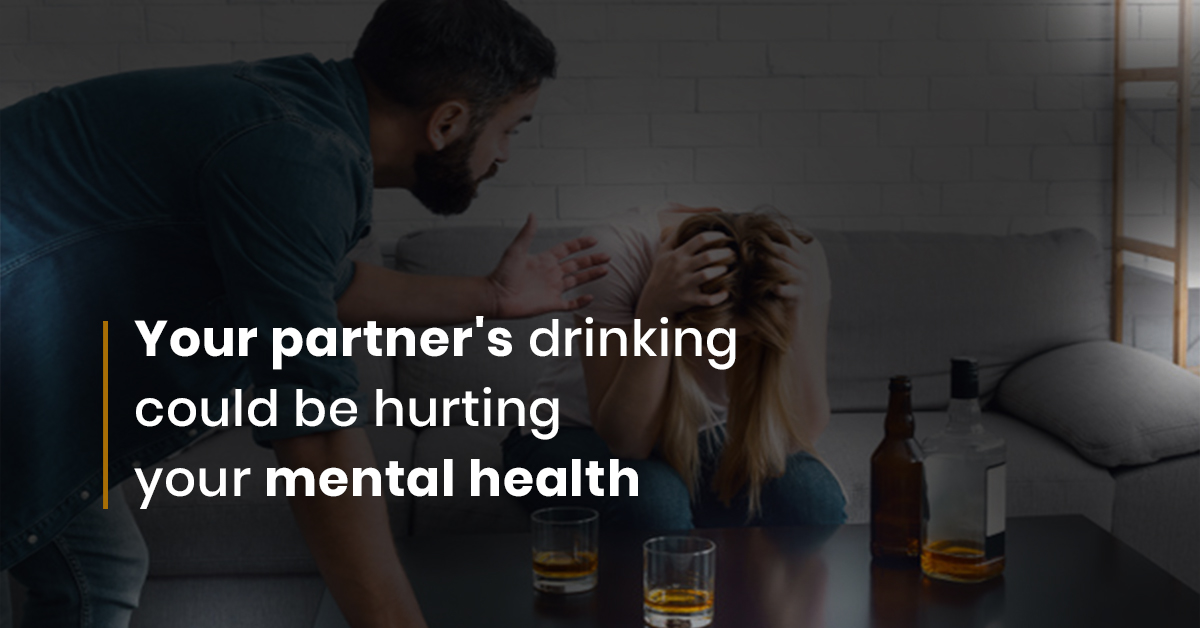
According to the results of a new study, young men are significantly more likely to report symptoms of depression when they perceive their partner as having problematic drinking behaviour. The research study, published in the peer-reviewed journal Personal Relationships, examined the way perceptions of one’s partner’s drinking habits may be linked to relationship satisfaction and mental health among young adults.
The study involved 239 unmarried participants, who were university students, aged between 18 and 25 years, and in a heterosexual romantic relationship for at least three months. As part of the research, they were asked to report their own drinking habits, as well as their perceptions of their partner’s drinking over the past two weeks and three months. Moreover, the researchers also measured their levels of anxiety, depression, and relationship satisfaction.
Romantic relationships were grouped into three categories according to the reported level of alcohol consumed: “concordant low” (where both partners reported low drinking problems), “discordant female high” (where the female partner had high drinking problems, while the male partner did not), and “discordant male high” (where the male partner had high drinking problems, while the female partner did not).
The study results revealed that young men who perceived their partner as having drinking problems reported significantly higher levels of depression. What’s more, this pattern was not observed in women, suggesting that men may experience a stronger association between their partner’s problematic drinking and depressive symptoms.
In addition, it was found that perceived partner drinking behaviour was not significantly associated with symptoms of anxiety for either men or women. However, the study results also demonstrate that men reported significantly higher levels of anxiety when both they and their partner engaged in heavy drinking, while this effect was not observed in women.
Finally, the research study’s results revealed that men’s relationship satisfaction decreased when they perceived their own drinking behaviour as problematic, specifically in relationships where both partners drank heavily. On the other hand, for female participants, relationship satisfaction was less influenced by these factors.
“The results of this study capture how perceptions of partner drinking behaviour, contextualized with one’s own drinking behaviour, relate to relationship satisfaction, anxiety, and depression in collegiate young adults, advancing our understanding of the role of perceptions within non-marital romantic partnerships,” states the study’s conclusion.