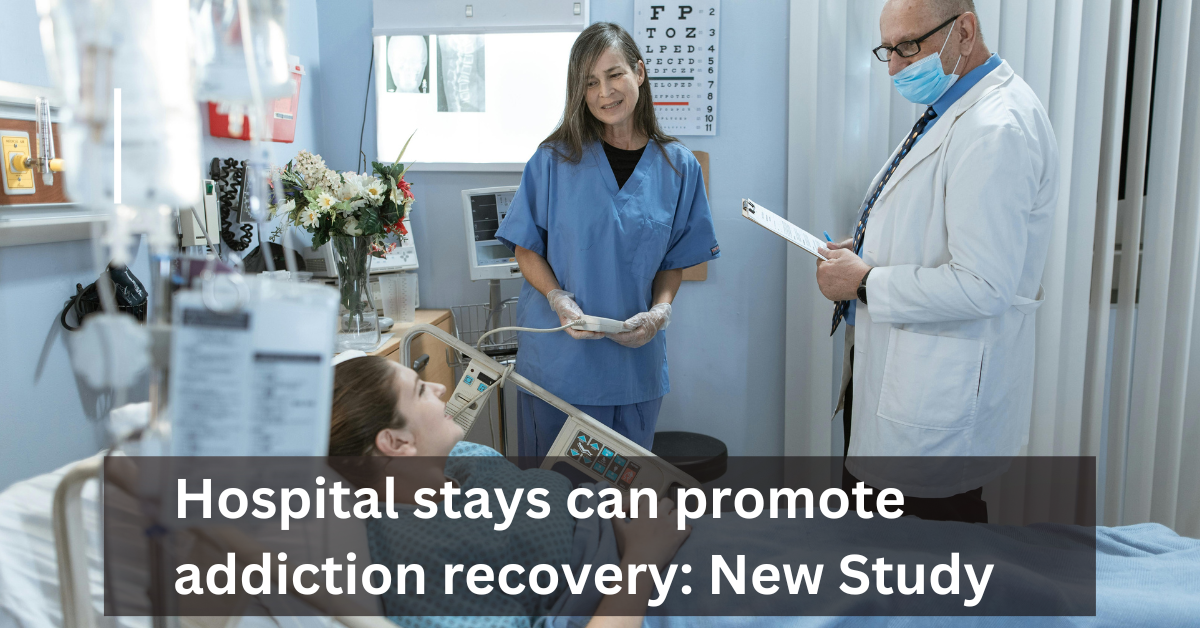
According to the results of a recent study, hospitalization can help to initiate treatment for patients suffering from opioid use disorder (OUD). Specifically, the study found that patients who received treatment from an addiction consultation team during their hospital stay were significantly more likely to seek post-discharge treatment and had reduced rates of readmission.
The multi-institutional study, published in the peer-reviewed journal JAMA Internal Medicine, was a randomized clinical trial that included 325 adult participants and involved an intervention by a hospital-based addiction consultation service called the Substance Use Treatment and Recovery Team (START). Moreover, all participants had a “probable” diagnosis of opioid use disorder.
“Our program addresses a major challenge across hospitals,” said Dr. Itai Danovitch, chair of the Department of Psychiatry and Behavioral Neurosciences at Cedars-Sinai and senior author of the study, in a press release. “Even though effective medications exist for opioid use disorders, only a small percentage of hospitalized patients begin treatment during their stay or connect with services after discharge.”
The study results revealed that 57.3% of the START patients began medication treatment for opioid use disorder while in the hospital, compared to 26.7% of the patients in the usual care group. Furthermore, 72% of the START patients accessed follow-up care within 30 days after discharge from the hospital compared to 48.1% of patients in the control group.
Data released by the Centers for Disease Control and Prevention (CDC) shows that approximately 80,000 people died from opioid overdoses in the U.S. As well, between 2002 and 2018, hospital admissions for opioid use disorder rose significantly—from approximately 302,000 to nearly 942,000.
“Hospitalization provides a crucial window to involve patients in addiction treatment when they might be most open to it, particularly after experiencing health-related consequences of their substance use,” said Dr. Jeffrey Golden, director of the Burns and Allen Research Institute and executive vice dean for Research and Education at Cedars-Sinai, in an interview. “These important findings show how the medical community can significantly boost this engagement and help find solutions for the national opioid epidemic.”