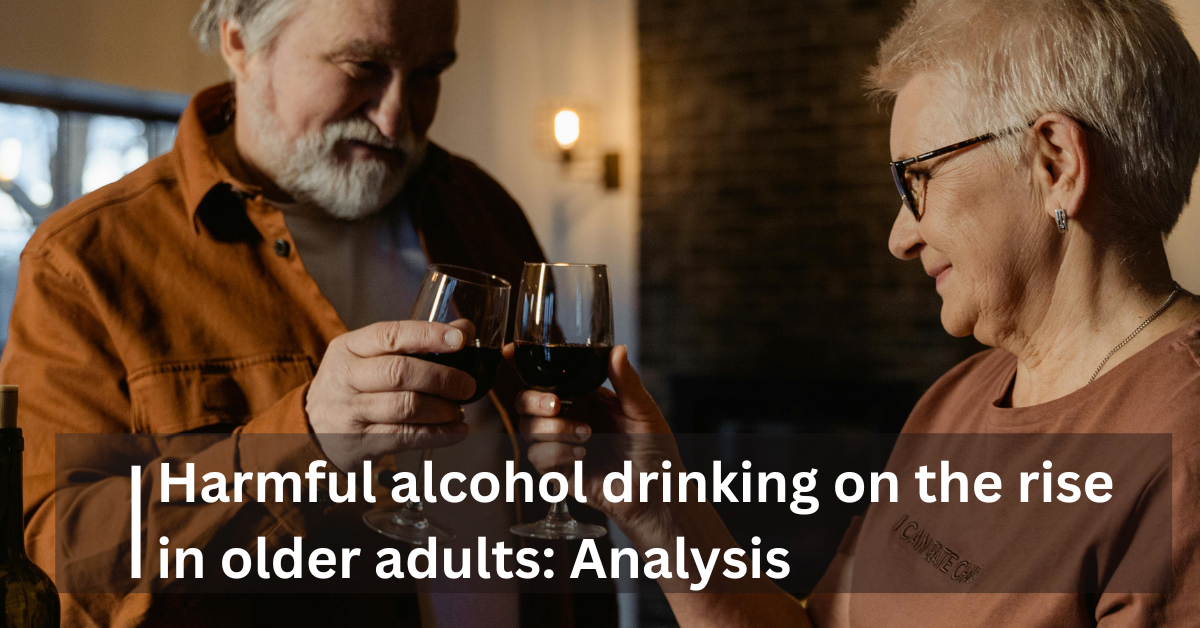
A recent analysis article published in Nursing Times revealed that older adults are increasingly engaging in harmful drinking, despite the existing stereotype that this type of alcohol use is mainly a “young people issue.” According to a UK-based study, in 2012, people aged 65 years and older comprised up to 12% of all heavy drinkers, but by 2022 their numbers had nearly doubled to 21%.
Moreover, the study results also show that the proportion of heavy drinkers aged 45-64 years increased from 39% to 43%. However, the representation of younger people, aged 44 years and under, decreased from 49% in 2012 to 35% in 2022.
The study’s researchers urged health professionals to make sure they could “recognise harmful drinking in older people” in order to refer these patients to necessary treatment services. Nuffield Trust fellow Bea Taylor, who led the analysis, told Nursing Times: “It is easy to overlook problematic drinking in the older population in a busy clinical environment. The challenge for professionals is twofold: the first is to resist blaming changes in sleeping, eating and wellbeing on age alone, and the second is to help patients understand that they are not too old to benefit from help, said Bea Taylor, Nuffield Trust fellow and one of the study’s authors. “Better training for professionals will support these difficult and essential conversations with patients.”
Notably, Canada is experiencing similar trends in alcohol consumption among older adults. Recently published data from Statistics Canada shows that alcohol use and associated risks are increasingly prevalent among Canadians aged 55 years and older. While young adults aged 18 to 22 years old have shown a decline in alcohol use, older age groups are showing higher levels of alcohol consumption. According to the Canadian Coalition for Seniors’ Mental Health, adults aged 65 years and older should limit their alcohol intake to no more than two standard alcoholic drinks per day for men and one for women, with some alcohol-free days each week.