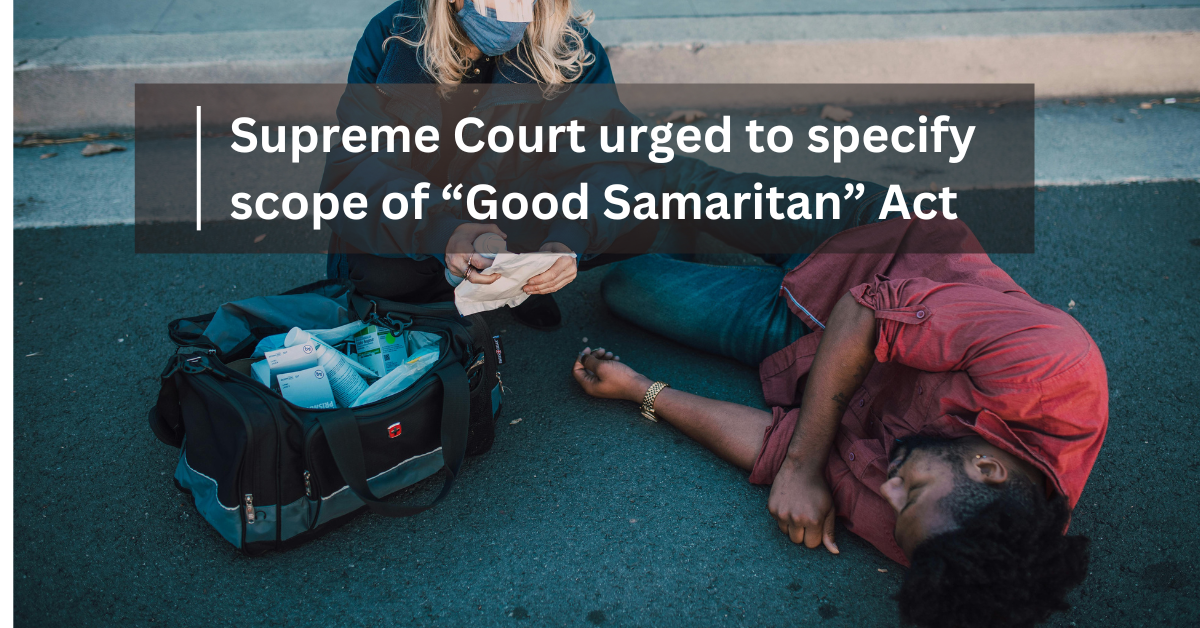
A recent Supreme Court challenge to the Good Samaritan Drug Overdose Act, R. v. Wilson is challenging the protections offered under the law, which was enacted in 2017 as part of the federal government’s approach to address illicit substance use.
Currently, the law provides protection from prosecution for drug possession and several other offences for people at the scene of a drug-related medical emergency. In 2020, Paul Wilson was arrested for drug possession after calling 911 for a woman overdosing on fentanyl. The police search revealed guns and drugs, leading to multiple convictions. However, the Saskatchewan Court of Appeal ruled the arrest violated the Good Samaritan law.
The case was challenged earlier in January in the Supreme Court of Canada, and harm reduction advocates say its outcome could determine the future of the current Good Samaritan law. The hearing held on January 15 included arguments on the powers of police to arrest individuals at the scene of a drug overdose and whether the Good Samaritan Drug Overdose Act is sufficiently clear regarding those powers.
According to lawyer DJ Larkin, executive director of the Canadian Drug Policy Coalition, Wilson and other individuals present at the scene of the overdose “did the right thing” by calling for medical help, likely saving the woman’s life. These laws need to be clear and easily understood. If anyone [is] needing to take action in an emergency, they need to know the risk they face,” Larkin said. “You shouldn’t need a law degree to understand what will happen if you call 911.”
At the press conference held to discuss the court challenge, Corey Ranger, president of Harm Education Nurses, said the more people that use alone, the worse it will be. “We know that isolation plus a toxic drug supply is a recipe for preventable death and harm,” he said. Ranger also expressed concerns that if the Supreme Court challenge is successful and the conviction in R. v. Wilson is upheld, fewer people may seek help when they witness someone having a drug overdose, resulting in a significant increase in deaths.
“We’ll see a lot more people abandoned at the scene of an overdose, and that means more preventable harm; in this case, any intervention or any interpretation of these laws that reduces clarity will result in delays in resuscitation. That means not only a heightened risk for death, but also for preventable brain injury,” he added.
The decision from the nine judges of the Supreme Court could take up to six months. “The court has the opportunity to decide this case in a way that provides a beacon for other courts so that we can prevent harm so that we can save the lives of our loved ones and our community members,” said Larkin.