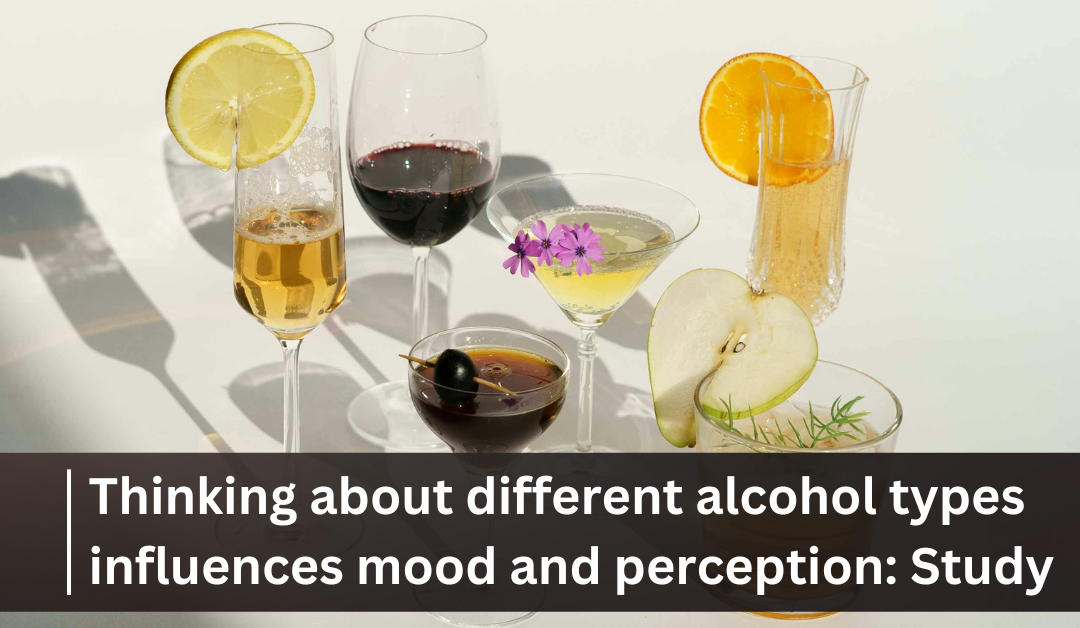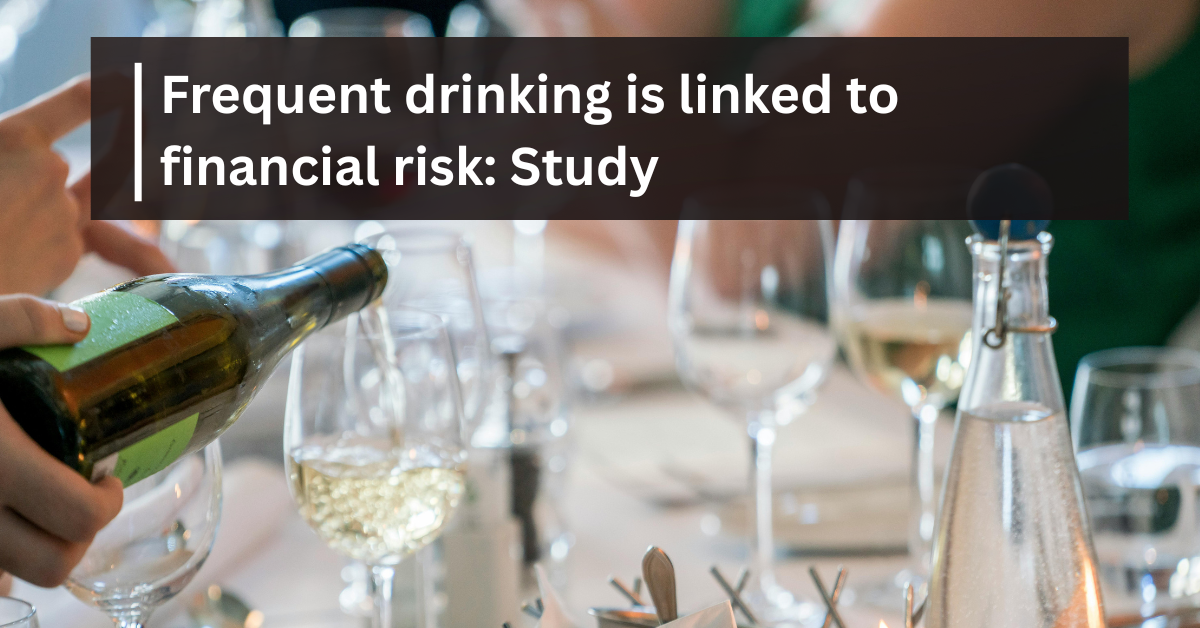
According to the results of a recent study carried out in the U.S., drinking alcohol more than three times a week can increase household financial vulnerability by making it harder to repay debt or handle unexpected expenses. The study, published as a working paper on the Social Science Research Network (SSRN), concluded that while alcohol may sometimes foster social connections and support, its long-term health and financial costs can significantly outweigh these short-term benefits.
The study findings revealed that frequent alcohol consumption is linked to more than 20 health conditions, including stroke, hypertension, and cardiovascular disease. Moreover, its effects are often delayed by two years or more, which can make their connection to alcohol consumption difficult to recognize.
Moreover, the associated health problems can often result in decreased work capacity, income loss, and substantial medical bills, even for U.S. residents with health insurance. It was also found that men are particularly at risk, and when a household is led by a male drinker, the financial impacts of alcohol consumption are more pronounced, likely because men are statistically more likely to develop problematic drinking patterns.
In their interview with Morningstar, a former financial planner emphasized that addiction and poor financial discipline aren’t solely matters of willpower, since brain processes play a significant role, and emerging research suggests GLP-1 medications such as semaglutide may help treat addictions. They also noted that meaningful change takes time, progressing through six stages from precontemplation to termination, rather than happening instantly.
“A lot of times, whether it is any sort of addiction or discipline issue, we’re trying to go right to action with people,” the planner said. “But if they don’t think they have a problem … then you can’t fast forward to that. That’s why a lot of treatment programs don’t work, because the person everybody’s trying to get to change is still stuck, at best, in ‘maybe I have a problem.”
According to the financial planner, some signs that alcohol is hurting your finances can include being consistently late with bill payments, poor credit, and DUIs. However, some signs may be subtle: “In our industry [the financial-planning profession], there is a lot of alcohol flowing through it at conferences and things,” the planner said. “So does it really look like you have a problem? Are you just functional? Is everybody doing it? How do you know you have a problem? That is not an easy thing to figure out.”
Finally, the financial planner also added that these patterns don’t necessarily apply only to alcohol. These warning signs also apply to any area where discipline and self-regulation are in play, including gambling, overeating and financial habits, and the financial planner emphasized that recognizing the problem is an essential first step.