In recent years In the United States, the Southeast Asian plant Mitragyna speciosa, commercially known as “kratom” has been increasingly used by individuals seeking relief from chronic pain, anxiety, and symptoms of opioid withdrawal. While its use remains legal at the federal level, its status varies across states, it is often marketed as an over-the-counter natural alternative to prescription drugs. However, its unregulated use is also associated with significant health risks, including dependence, liver toxicity, and psychosis, especially in individuals with a history of substance-induced psychiatric disorders.
A recent case report published by Psychiatrist.com describes an 18-year-old male patient (“Mr B”) who developed severe psychosis after consuming high doses of kratom. The patient had a history of substance-induced psychotic episodes, and upon admission, he presented with disorganized behaviour, aggression, and delusional beliefs consistent with Fregoli syndrome. Furthermore, he disclosed taking as many as 50 kratom capsules daily, and more recently between 10 and 20 capsules per day.
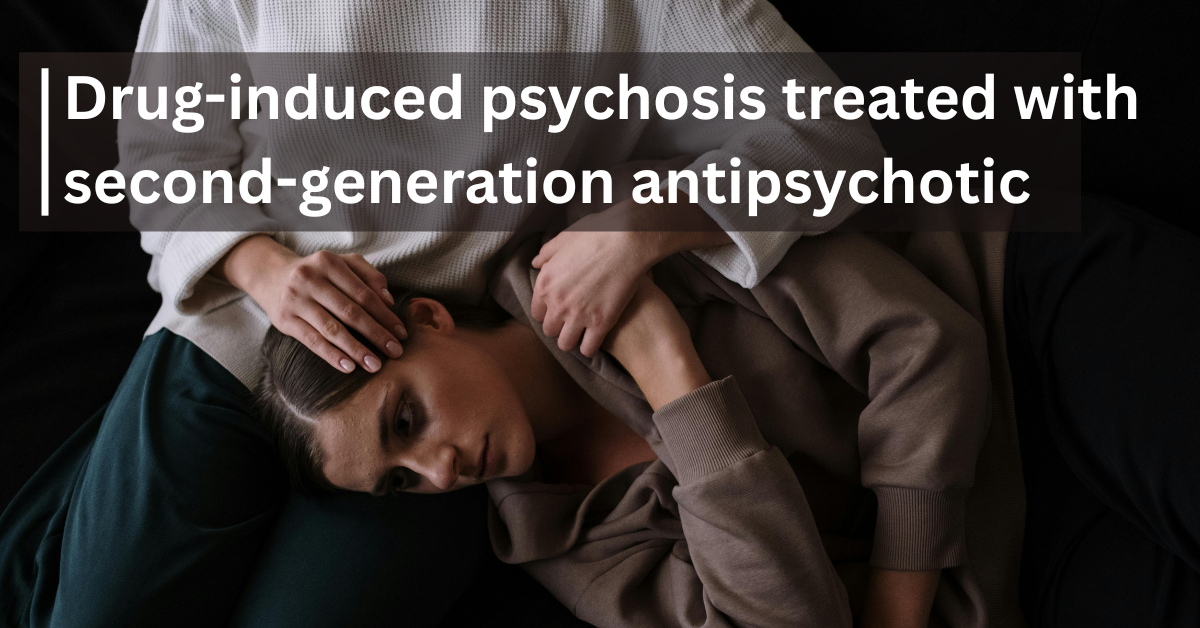
The patient was subsequently diagnosed with kratom-induced psychosis, and treated with the second-generation antipsychotic quetiapine, titrated up to a total daily dose of 350 mg. After receiving treatment, his symptoms noticeably improved, including reduced aggression and clearer thought, with minimal side effects. At discharge, Mr B demonstrated improved judgment, insight, and logical thinking.
“This case highlights the significant psychiatric risks associated with kratom use, particularly in individuals with a predisposition to drug-induced psychotic episodes. Kratom’s active metabolites, mitragynine and 7-hydroxymitragynine, interact with opioid receptors and serotonergic pathways, potentially precipitating psychotic episodes,” wrote the authors. “Mr B’s history of substance-induced psychosis underscores his vulnerability to the psychoactive effects of kratom. His case demonstrates the importance of health care providers inquiring about kratom use when evaluating patients with unexplained psychosis, especially given its legal status and accessibility.”
Moreover, the authors concluded that this case demonstrates the importance of health care providers inquiring about kratom use when evaluating patients with unexplained psychosis episodes, especially given its legal status and accessibility. “The positive response to second-generation antipsychotic treatment and cessation of kratom use in this case emphasizes the potential for recovery with appropriate medical intervention and substance abstinence,” reads the article. “Public awareness and education on the risks of kratom are essential. Further research is needed to understand kratom’s psychiatric effects better and to develop guidelines for safe use. This case contributes to the growing body of literature on kratom-induced psychosis, advocating for more stringent regulations and comprehensive patient education to prevent similar cases.”