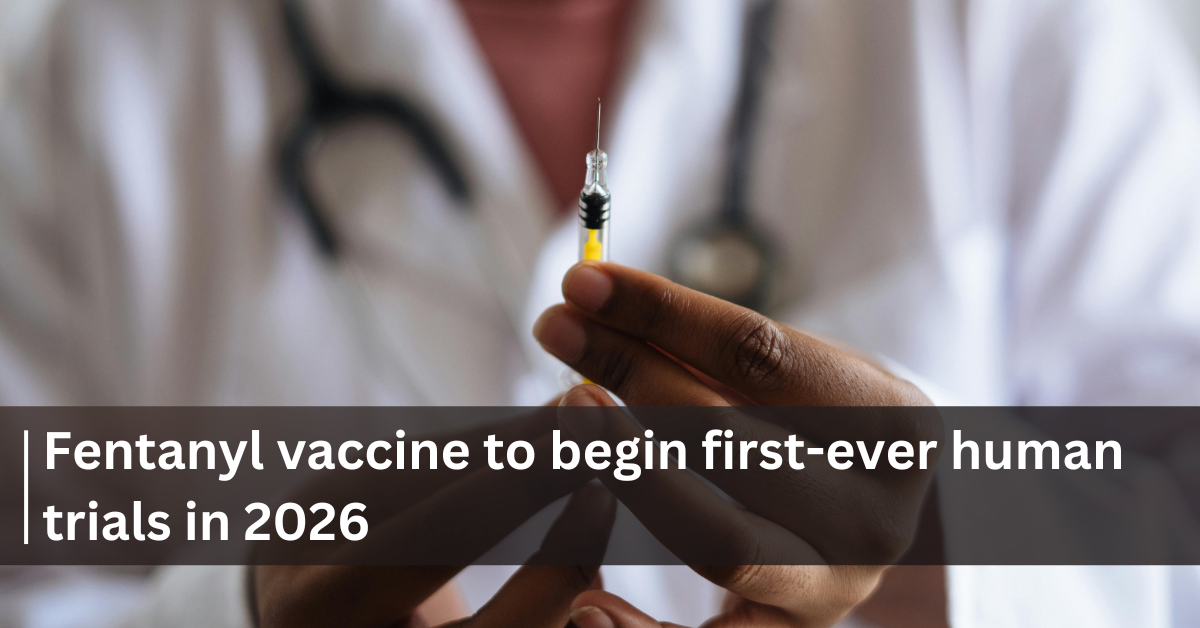
A new vaccine designed to block the effects of fentanyl will enter human clinical trials early in 2026 to evaluate its safety. The vaccine, originally developed using funding from the U.S. Department of Defense, has already demonstrated promising results in rat studies. Subsequently, it has been licensed to the U.S. startup ARMR Sciences, which plans to initiate Phase I clinical trials in the Netherlands within the next few months.
“Our goal as a company is to eliminate the lethality of the drug supply,” said Colin Gage, co-founder and CEO of ARMR, in a press release. “We want to go about doing that by attacking the root cause of not only addiction, but also, obviously, overdose.”
The vaccine works by preventing fentanyl from reaching the brain by prompting the immune system to recognize and bind the drug. Fentanyl is a synthetic opioid approximately 50 times more potent than heroin. Like other opioids, it exerts its effects by binding to opioid receptors in the brain and spinal cord, causing neuronal signaling to reduce pain and produce euphoria. Since opioid receptors also regulate breathing, fentanyl overdose can cause fatal respiratory depression. For example, doses as low as 2 milligrams may be lethal to humans. While naloxone can reverse an overdose by blocking opioid receptors, the new vaccine uses a distinct strategy by acting in the bloodstream to prevent fentanyl from reaching the brain. Since this approach does not target opioid receptors directly, it represents a novel therapeutic strategy. However, its effectiveness depends on inducing immune recognition of fentanyl, a small molecule that does not naturally trigger an immune response.
To induce an immune response against fentanyl, researchers created a synthetic, non-active fragment of the drug to a detoxified diphtheria toxin used in existing vaccines, and added an immune-enhancing component. In animal studies, this formulation created antibodies that attached to fentanyl in the bloodstream, prevented it from crossing the blood–brain barrier, and protected the animals against respiratory depression and overdose.
“The longest we’ve followed the animals in our studies is about six months and we saw complete blockade of fentanyl effects at six months post the initial vaccination,” said Dr. Colin Haile, ARMR co-founder and scientific adviser. The vaccine’s Phase I trials will include 40 participants and primarily assess safety, including potential adverse effects, while also measuring the generation of anti-fentanyl antibodies. If successful, Phase II trials will evaluate efficacy by monitoring antibody persistence and testing whether the vaccine blocks the effects of medically administered fentanyl under controlled conditions.
According to the researchers, the vaccine could benefit first responders concerned about accidental exposure, individuals with opioid use disorder as a complementary treatment alongside behavioural support, and people who use illicit drugs that may be unknowingly contaminated with fentanyl.