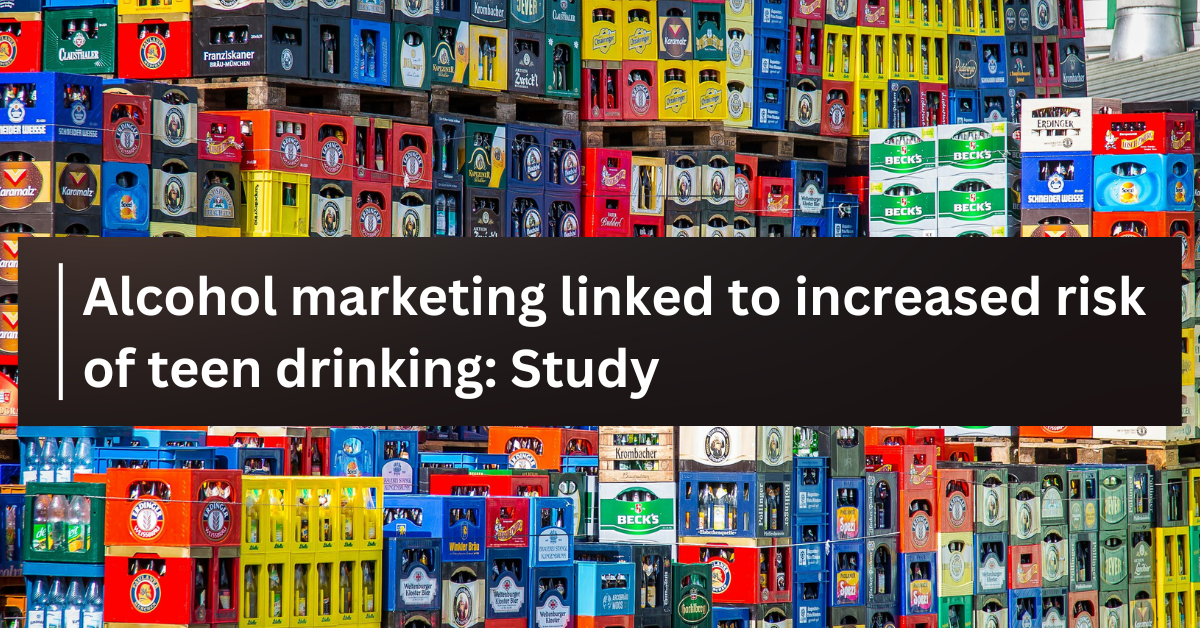
According to the results of a new research study published in Lancet Public Health, the incidence of binge drinking, recent alcohol use and susceptibility to drink alcohol among adolescents were associated with digital alcohol marketing. The study, carried out by researchers from Rutgers School of Public Health, is a systematic review and meta-analysis that used available data from 31 studies published between Jan. 1, 2004, and Feb. 1, 2025, from across six online databases.
“Doctors should know that what young people see on social media can influence how they think about and use alcohol,” said Dr. Jon-Patrick Allem, the study’s senior author and associate professor of social and behavioral sciences at Rutgers School of Public Health in his interview with Healio. “Since this link was found across more than 60,000 people in our study, it shows that online alcohol marketing is a serious public health concern.”
As part of the study, digital alcohol marketing content was defined as “social media, web-based, or app-based content designed to increase alcohol use through promotional campaigns, branded content, or sponsorships.” Moreover, the study included a total of 62,703 participants from 17 countries. A total of 83.7% of participants were adolescents aged 11 to 17 years, while 16.3% were young adults aged 18 to 25 years.
The study results revealed that young adults and adolescents exposed to alcohol marketing were significantly more likely to report alcohol use in the past 30 days, engage in binge drinking, and show a higher susceptibility to drinking among those who had never consumed alcohol, compared to those not exposed. “We were surprised by how consistent the results were, even though the studies we looked at were very different in design,” said Dr. Allem.
The study’s authors also note that future research could use longitudinal data to clarify the sequence of alcohol-related behaviors and exposure to alcohol marketing. In addition, they also emphasized that their findings underscore the need for more robust international regulations on alcohol marketing. “Current self-regulation by the alcohol industry does not have enough oversight and can easily be avoided by social media users,” said Allem. “Governments and health organizations should make sure that online advertising algorithms are more transparent.”