In recent months, kratom, a natural supplement derived from a tree native to Southeast Asia, has been gaining a lot of attention in the U.S. due to its associated health risks and potential to cause addiction. Currently, the substance is in a legal gray area with ongoing regulatory battles taking place, and has also been used as an alternative treatment for pain relief or opioid withdrawal, despite concerns about its safety and effectiveness. In Canada Kratom does not have approval from Health Canada to be sold as a supplement, however it can be sold as incense and is readily available from online vendors.
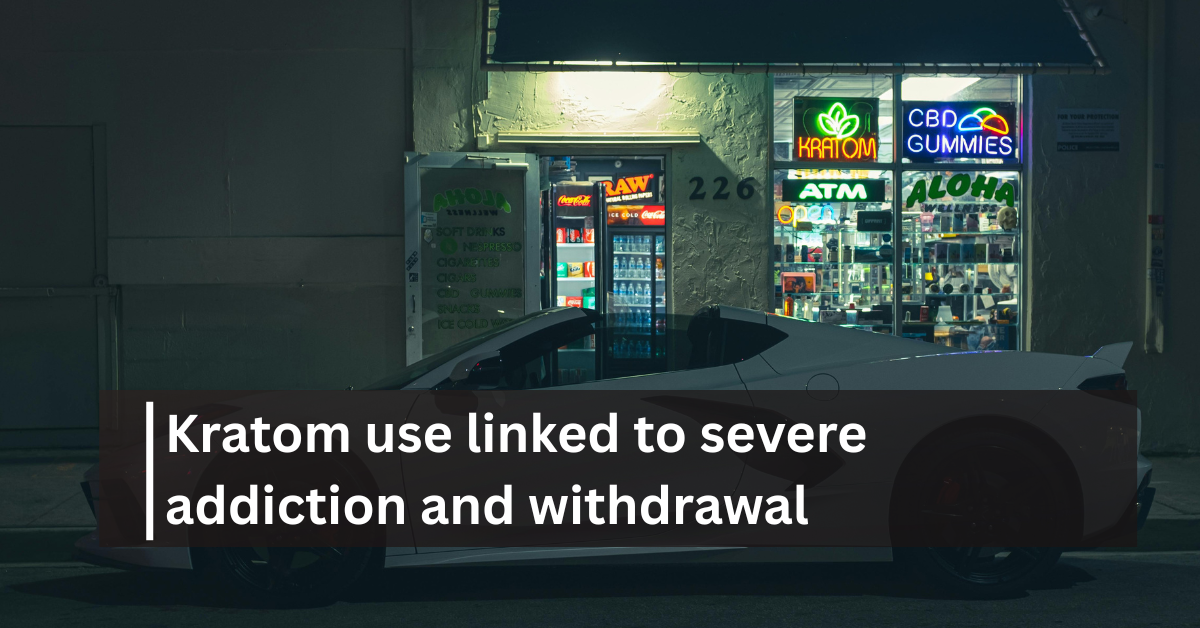
According to the results of the Substance Abuse and Mental Health Services Administration’s National Survey on Drug Use and Health, approximately 1.7 million U.S residents aged 12 years and older used kratom in 2021. Moreover, kratom can be easily obtained in most parts of the U.S. and is commonly sold at smoke shops, gas stations, or online.
“I was on kratom for about two years, if not longer,” said Angela Edwards, who is living and working at the Lovelady Center. “And at the time when I was on kratom, you know, it was good when I was on it, but when I was coming off kratom, I thought I was going to die, you know, the withdrawals were worse than any kind of withdrawals that I’ve ever had.” She added, “It took me months to feel even normal. I still don’t have my full energy back.”
In his interview with WVTM-TV News, Frank Long, with the Lovelady Center in Birmingham, Alabama, said that kratom has highly addictive properties, and many people are unable to stop using it. “It’s an opioid-like effect. You know, some people describe it like a warm hug. You know, it’s kind of that feeling of peacefulness and that everything’s OK. Or maybe you just don’t care about anything. So, it kind of makes you forget your worries.”
The active compounds of kratom are alkaloids, with two of the most important ones being mitragynine and 7-hydroxymitragynine. Earlier in July, the Food and Drug Administration (FDA) recommended a scheduling action to control certain 7-hydroxymitragynine (also known as 7-OH) products under the Controlled Substances Act. Kratom is illegal in Alabama, but access to the substance persists through neighboring states, online orders, and the black market.