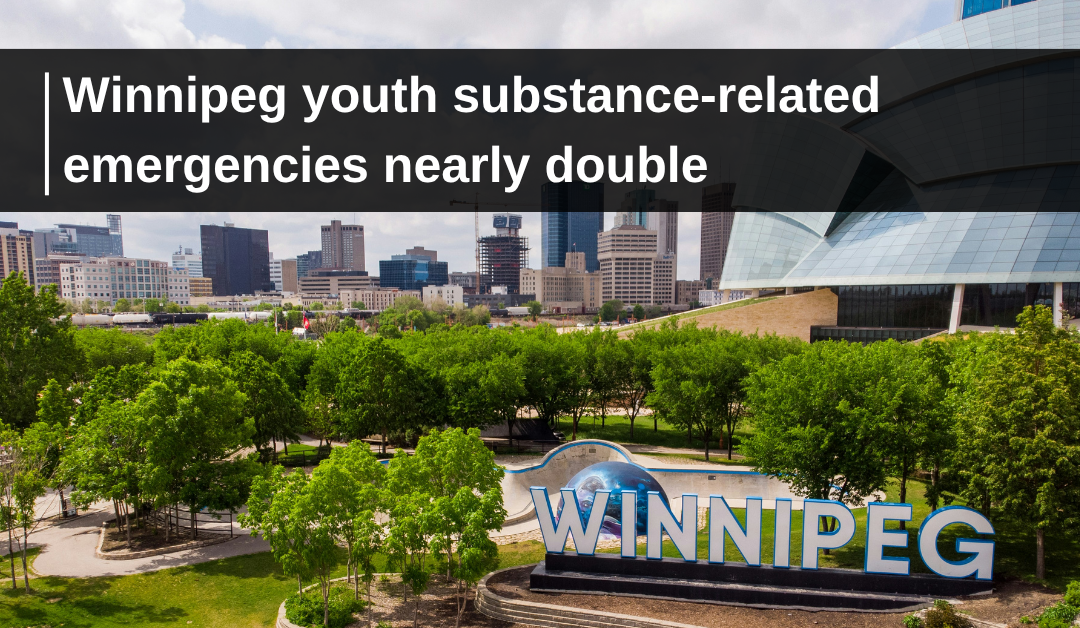
According to a Winnipeg community resource centre, data used by the leader of Manitoba’s Progressive Conservatives to argue for the parking of a mobile overdose prevention site is misleading. Earlier in August, PC Leader Obby Khan said in a news release that the federal government should put the brakes on Sunshine House’s overdose prevention van, citing a 25% decrease in overdose calls and a 29% decrease in the administration of naloxone after its first RV was taken out of service in early July.
Specifically, data from the Winnipeg Fire Paramedic Service demonstrates that the overdose numbers decreased month-over-month, with naloxone administrations dropping from 619 cases in June to 466, and overdose-related patient numbers decreasing from 340 to 264. “Does this trend continue in August, in September?” said Mr. Khan in a news release. “Is that van actually enabling people to be stuck in this drug suspension that they’re in, this addiction that they’re in? So let’s get more data.… We’re simply saying let’s take a look at those numbers.”
However, Sunshine House’s executive director Levi Foy stated that these figures are misleading. “That doesn’t actually take into account the overdoses that we have responded to or that community partners have responded to or that community members have responded to,” he said in a press release. “It’s misinformation.” In addition, Mr. Foy also noted that higher naloxone distribution in June could also indicate there may have been more kits of the opioid overdose medication out in the community that month, potentially explaining why emergency services were contacted less.
“It’s really hurtful that they would come out and they would launch this type of attack against a community-based organization without actually speaking to us, without visiting our site, without having any kind of engagement or full understanding of our relationship with WFPS,” he added.
In an email to CBC News, a city spokesperson said there are “significant fluctuations” in the data between months, and that many factors could be behind that, including drug availability, their potency, and the season. “Over the past several years, as the drug crisis has heightened, we’ve also seen a shift where more residents, outreach agencies, and substance users are carrying/using naloxone, without calling 911,” states the email.
The mobile harm reduction service, which allows people to use substances under the supervision of staff trained in overdose response, was initially launched in the fall of 2022. Its original RV was destroyed in a collision, when it was struck by another vehicle. Following the crash, the Salvation Army donated a decommissioned ambulance to Sunshine House to continue the service. However, the PCs announced they had written to the federal health minister, urging him to deny an exemption that would permit Sunshine House to operate the mobile injection site from the ambulance.