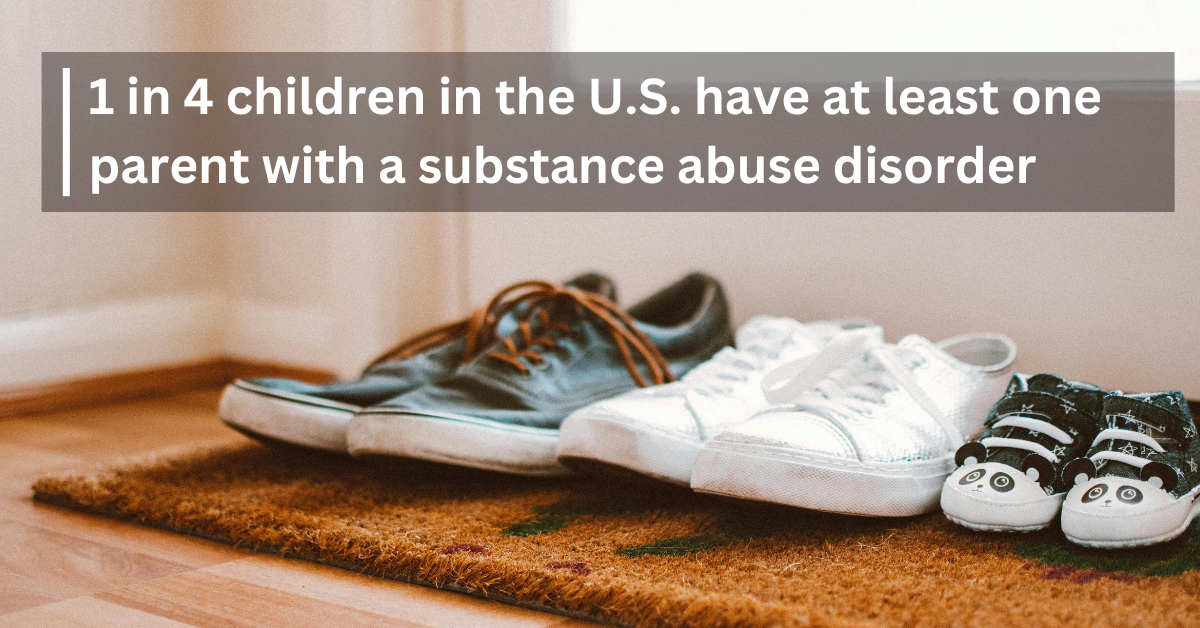
According to the results of a new study, approximately 19 million children in the U.S. have at least one parent with substance use disorder. This includes parents who misuse alcohol, cannabis, prescription opioids, and illicit drugs.
The study, which was published in the journal JAMA Pediatrics, used data from the National Survey on Drug Use and Health carried out in 2023, with nearly 57,000 responses from individuals aged 12 years and older. In addition, the findings also show that out of the 19 million children having at least one parent with substance use disorder, approximately 3.5 million live with a parent who has multiple substance use disorders. Moreover, over 6 million children have a parent with both a substance use disorder and significant symptoms of depression, anxiety, or both. Finally, the results of the study reveal that alcohol is by far the most common substance used, with 12.5 million children affected.
Notably, the estimate of 19 million children is substantially higher compared to the results of a previous study based on older data. That earlier analysis, covering the years 2009 to 2014, found that approximately 8.7 million U.S. children, which is about 1 in 8 children, lived with a parent or parents experiencing substance use disorder. In total, these numbers represent a difference of roughly 10 million children.
The authors suggest that the primary reason for this increase is the broader and more inclusive criteria for diagnosing substance use disorder introduced between 2014 and 2023. This change led to an estimated 80% rise in the number of children identified as living with a parent affected by the disorder. Furthermore, an additional increase of 2 million children since 2020 reflects the growing number of parents struggling with substance use disorder.
“There is a critical need to better identify parents with substance use disorder and the children who are affected by it. In my experience, many pediatric clinicians screen children for substance use, but they are much less likely to screen accompanying parents. So the first step is to make such screenings common and expected for both children and their adult caregivers,” wrote Dr. Ty Schepis, professor of psychology at the Texas State University and the study’s senior author, in his article published by The Conversation. “Additional intervention, which requires funding, is needed from federal, state and local government. This may seem fanciful in an age of scrutinized government budgets. But the alternative is a bill that comes due later: millions of adults exposed to this disorder at an early age, only to struggle decades later with their own substance use and mental health problems.”
Importantly, Dr. Schepis highlighted the fact that the U.S. Preventive Services Task Force, an expert panel that recommends screening and prevention best practices for clinicians, does not currently recommend the aforementioned type of screening, despite it being potentially helpful in identifying individuals who need treatment and prevent harms due to substance use disorder.