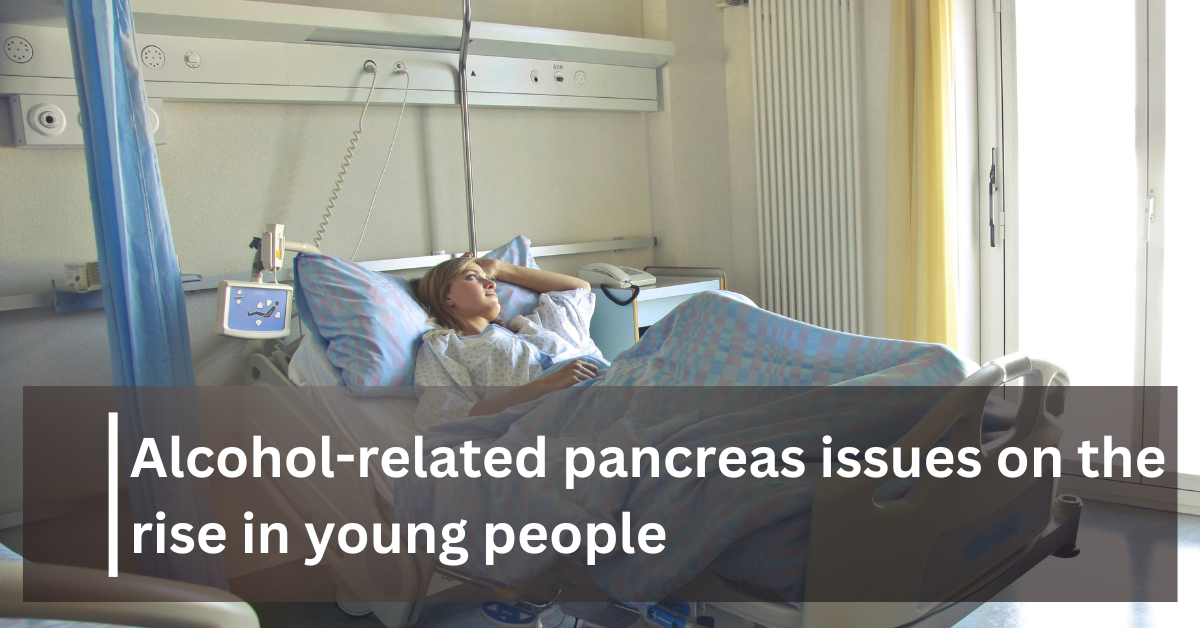
According to the results of a new research study, life-threatening health issues caused by alcohol are on the rise among Canadian teenagers and young adults aged under 40 years old. The study, authored by researchers from Queen’s University and published in the scientific journal JAMA Network Open, used administrative healthcare data from the Institute for Clinical Evaluative Sciences (ICES) from 2003 to 2021 to identify incident emergency department or inpatient encounters for end-organ alcohol-related harm in individuals aged 13 to 39 years. Data from a total of 11,508 adolescents and young adults were included in the analysis.
The results of the study showed that from 2003 to 2021, the incidence of pancreatitis increased by 7% per year in males and by 12% per year in females, while liver-related complications increased by 6% per year in males and by 9% per year in females. Moreover, the study results also demonstrated that complications related to the pancreas were more common than liver problems (29% versus 19%, respectively). “Our findings suggest that gastrointestinal complications from alcohol are increasing in [adolescents and young adults] at rates much higher than in other organ systems,” wrote the study authors. “Males were most affected by both pancreatitis and ALD [alcohol-associated liver disease], yet young females had changes in the rates of alcohol-associated pancreatitis and ALD that were higher than males.”
A total of 92% of the recorded pancreas-related problems involved acute pancreatitis, a potentially life-threatening condition that can lead to severe complications. In addition, it was found that among young people diagnosed with alcohol-related pancreas problems, they were also more likely to be male, live in urban areas, and require hospitalization.
“These are kids that really don’t understand that in the end, complications that can occur,” Dr. Shari Sheflin, director of the Pediatric Liver Disease Program at Cohen Children’s Medical Center, said in his interview with the New York Post. “Obviously we’re encouraging no alcohol consumption at all. But [also] teaching them to learn their limits because it’s very scary. At this point it’s so easy for the adolescent population to obtain alcohol that it’s not even the concern of how did they get it,” said Sheflin.
The study’s authors noted that its limitations include a lack of data on the quantity of alcohol consumption and the severity of disease at presentation. “These findings underscore the importance of gastroenterologists in caring for individuals with harmful alcohol use and support the integration of addiction medicine into gastroenterology training along with consideration for multidisciplinary gastroenterology-addiction medicine clinics,” they concluded. “Future research to understand these observations and evaluations in other age groups is urgently needed.”