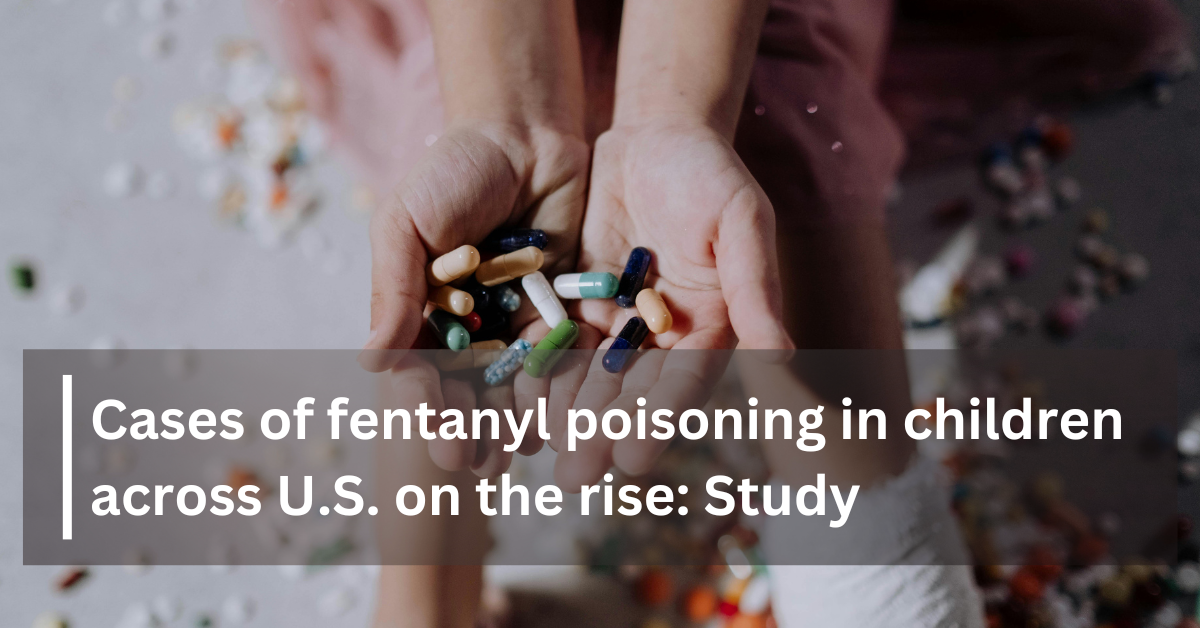
According to the results of a new research study, there has been a significant increase in the incidence of fentanyl exposure among U.S. children over the past decade. The study, published in the American Journal of Drugs and Alcohol Abuse, examined over 3,000 incidents of nonfatal fentanyl exposure in children up to 19 years old that were reported to poison centres. The research data was collected from 51 of the 55 U.S. poison control centres which had coverage in all states other than North Carolina. It was found that there was an increase from 69 cases recorded in 2015 to 893 in 2023, corresponding to a 1,194.2% augmentation.
The exposures evaluated in the study were categorized as either misuse or abuse, or as unintentional. The study results revealed that the percentage of misuse or drug abuse cases increased from 26.1% to 39.2%; however, there was also a reduction from 47.8% to 35.4% in terms of unintentional exposures.
Overall, the study showed that adolescents aged 13 to 19 years were significantly more likely to have been exposed to fentanyl than children aged 12 years and younger. In addition, the majority of fentanyl exposure cases among teenagers were characterized as intentional misuse or abuse, corresponding to 65.7% of cases. Moreover, the older group of children was also more likely to have been exposed to drugs including cannabis, cocaine, methamphetamine, and alcohol. Among children aged 12 years and younger, 81.7% were exposed to fentanyl unintentionally, with ingestion being the most common administration route.
The study authors suggested that the increases in unintentional fentanyl poisonings in children may be linked to the increasing availability of illicitly manufactured pills containing fentanyl in the U.S. “Given that severity of nonfatal exposures increased, it is unknown to what extent emergency response prevented possible death. Not only has naloxone administration to children increased, but naloxone has successfully reversed overdoses in children as young as 15 months,” wrote the authors.
“Pediatric exposures to fentanyl are increasing and over one-third of cases are unintentional and/or had documented life-threatening effects. Prevention and harm reduction efforts need to include efforts for youth, particularly as counterfeit pills containing fentanyl flood the illicit market,” the study’s authors concluded.
A previous research study published in 2023 demonstrated that fentanyl-related deaths among children increased more than 30-fold between 2013 and 2021. Similarly, a study carried out by researchers from the University of Western Ontario and published in the journal Pediatrics & Child Health showed that fentanyl was the primary substance involved in 80% of pediatric opioid-related deaths.