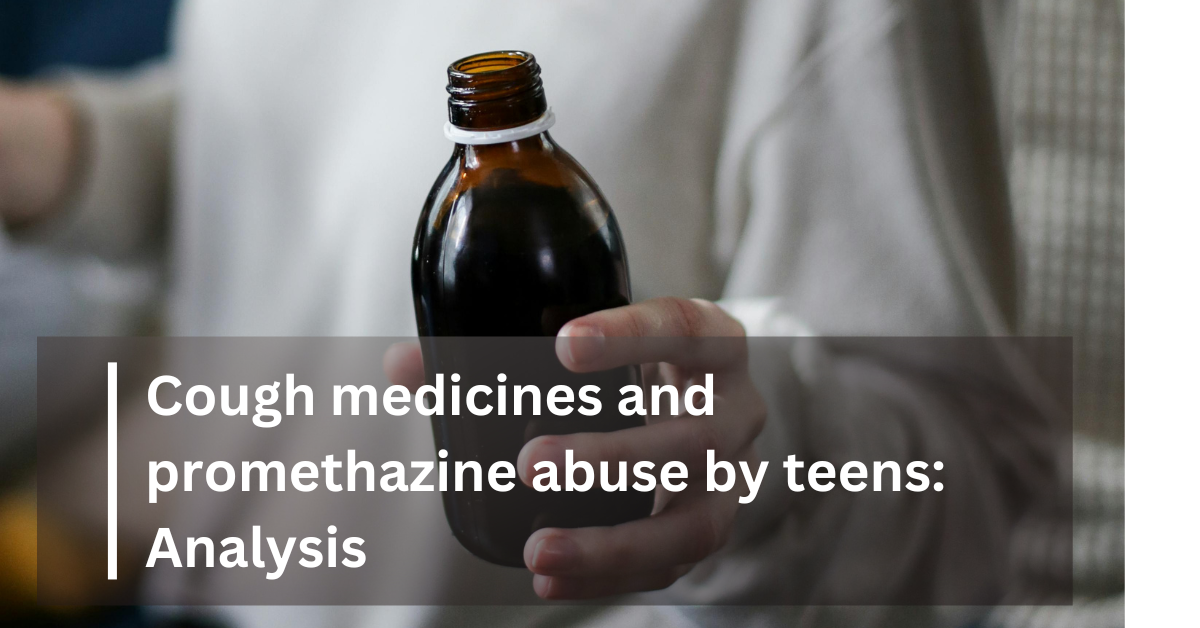
A recent article published by Psychology Today and authored by Dr. Mark Gold examined nonmedical misuse of medications by adolescents, which may be more common than previously reported. According to Dr. Sharon Levy, associate professor of pediatrics at Harvard Medical School, there is currently a “fad” among teenagers that involves abusing cough and cold medicines containing dextromethorphan (DXM). At high doses, DXM mimics the effects of illegal drugs like phencyclidine (PCP) and ketamine, and is sometimes combined with prescribed promethazine with codeine.
In addition, recent data released by the National Drug Early Warning System (NDEWS) at the University of Florida showed a resurgence of interest in DXM and its combination with antihistamines. Specifically, NDEWS has examined increases in the incidence of the artificial sugar saccharine being detected in abused drugs, which was determined to be due to mixing cough syrup containing DXM with promethazine. “There has been online discussion on combining dextromethorphan and promethazine for at least the past 10 years. There has been a recent spike in activity starting in August of 2024. Discussion of the polysubstance is currently more than double what it was at the beginning of 2024,” states the NDEWS article. “Online discussions indicate that users are combining DXM and promethazine to enhance the dissociative and sedating effects of both substances. Some comments note that promethazine’s antiemetic effects may mask DXM-induced nausea which typically serves as a natural limiting factor for excessive dosing.”
Importantly, mixing DXM and promethazine can lead to potentially life-threatening side effects, such as central nervous system depression and severe respiratory depression. Moreover, combining DXM with other substances, including alcohol, sleeping pills, antihistamines, and tranquilizers, is also very dangerous, as well as combining DXM with antidepressants affecting the neurotransmitter serotonin, due to the risk of the potentially life-threatening serotonin syndrome.
“Healthcare professionals should be aware of the potential for abuse and monitor for signs in patients, especially adolescents and young adults,” said Dr. Linda B. Cottler, director of NDEWS, in her interview with Psychology Today. “Parents should be aware of these combinations and talk to their children about avoiding “cough” medicines acquired from friends, friend’s siblings, or friends’ parents.”