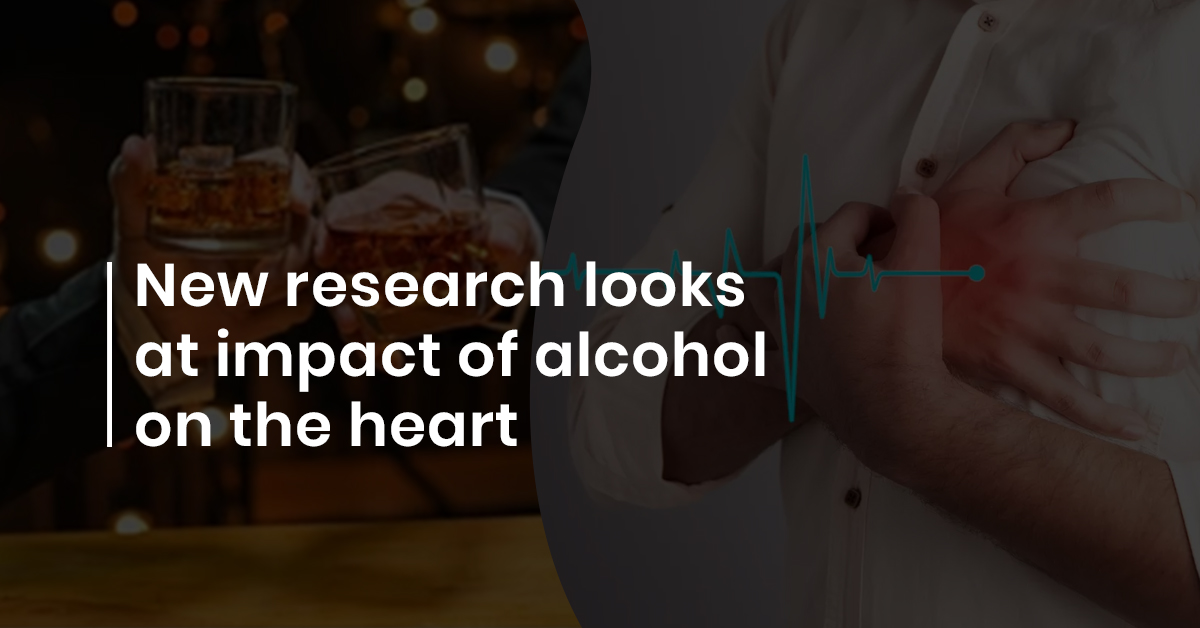
Earlier in July, two new studies examining the impact of alcohol consumption on the heart were presented at the American Heart Association Basic Cardiovascular Sciences Scientific Sessions 2024. Both studies were carried out in rodents and were presented as preliminary research on posters presented at the conference.
The first study, carried out by a team of researchers from the Ohio State University College of Medicine in Columbus, Ohio examined the effects of binge drinking on cardiovascular health.
“Around the holidays, opportunities for celebration – often accompanied by heavy drinking – occur during a brief period of time. Unfortunately, this sometimes sends revelers, even those with no previous heart condition, to the hospital with a racing or abnormally beating heart,” said Dr. Saugat Khanal, lead author of the study, in a press release. “Our study in mice explored the mechanism of alcohol-induced arrhythmia and a possible way to prevent it in the future.”
The results of the study showed that more than 70% of the mice that were given amounts of alcohol mimicking binge drinking developed atrial fibrillation, which is a type of abnormal heartbeat (arrhythmia). Previous research from the team had already shown that binge-drinking-related arrhythmias are linked to elevations in a stress-induced protein called JNK2. In addition, none of the animals that received the protective cardiac protective agent Alda-1, which prevents activation of JNK2, developed atrial fibrillation.
“Abstinence from alcohol can prevent most alcohol-associated AFib risks. Unfortunately, despite nationwide education efforts, binge drinking among all age groups continues to rise. Our findings suggest that developing new drugs, including Alda-1 and other JNK2-specific inhibitors, may be an effective anti-AFib strategy for people with holiday heart syndrome,” said Dr. Khanal.
The second study, led by a team from the Brody School of Medicine at East Carolina University in Greenville, North Carolina, explored the link between heart function, estrogen, and alcohol exposure. Previous studies have already shown that alcohol has a more negative impact on cardiovascular function in women than in men. In addition, other animal studies have shown that alcohol worsens heart function more in female animals with higher estrogen levels.
Specifically, the study compared heart function in menopausal rats who received regular alcohol exposure to those who were given alcohol and estrogen replacement. It was found that menopausal rats who received exposure to alcohol and estrogen replacement therapy had both positive and negative changes in measures related to heart health. The positive changes consisted of lower weight gain and fat mass, while the negative changes included higher blood pressure and heart rate.
“It was surprising to see the significant impact estrogen had on alcohol-induced heart dysfunction, despite its known cardioprotective effects. Premenopausal and menopausal women taking hormone replacement therapy should be cautious about alcohol consumption because it may be a factor in heart dysfunction,” said Dr. Syed Anees Ahmed, the study’s lead author.